The sample copy of this report is available for access.
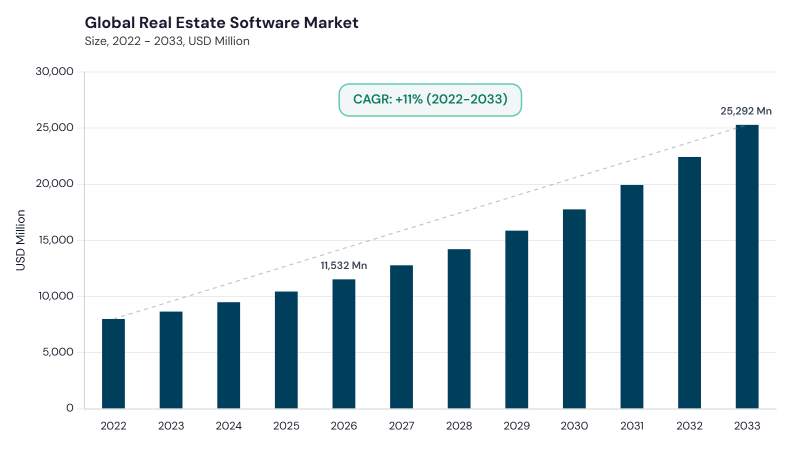
“Global Real Estate Software Market to reach a market value of USD 25,292.33 Million by 2033 growing at a CAGR of 11.9%”
The Global Real Estate Software Market is expected to reach USD 25.3 billion by 2033, growing at a CAGR of 11.9% during (2026 - 2033).
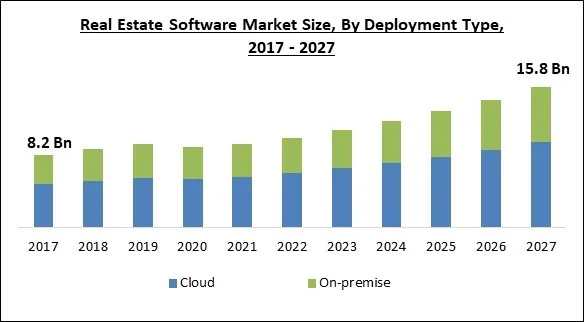
The real estate software market is driven by rising demand for digital transaction platforms, property management automation, CRM, virtual property tours, lease tracking, digital transaction platforms, and data-driven decision-making across commercial, residential, and industrial real estate industry. Further, demand is also surging as real estate enterprises adopt AI-powered analytics, digital payments, and smart property management tools. The market evolved from the need to managed sales transactions, property information, and client relationships more efficiently than manual processes. With time, the real estate software market developed from basic lease tracking, maintenance scheduling, and contract management into specialized platforms for investment workflows, property management, AI-enabled decision support, and customer engagement.
Real estate software market is expanding as businesses largely digitize transaction workflows, property operations, investment decision-making, leasing processes, and client engagement. AI-powered analytics, cloud-based platforms, mobile accessibility, and digital payment systems are reducing manual efforts, and enhancing operational speed. Market players are integrating data analytics, fintech tools, digital documentation, and smart building capabilities to support end-to-end property lifecycle management.
Competitive landscape of market is dynamic and cloud-driven, with PropTech platforms, property management software providers, real estate analytics companies, and enterprise real estate solution vendors competing across the market. Market players are positioning themselves SaaS ecosystems, AI integration, workflow automation, mobile accessibility, smart building integration, predictive analytics, and tenant experience tools. PropTech startups and regional software providers also remain necessary by fulfilling regional compliance requirements and specialized real estate workflows.
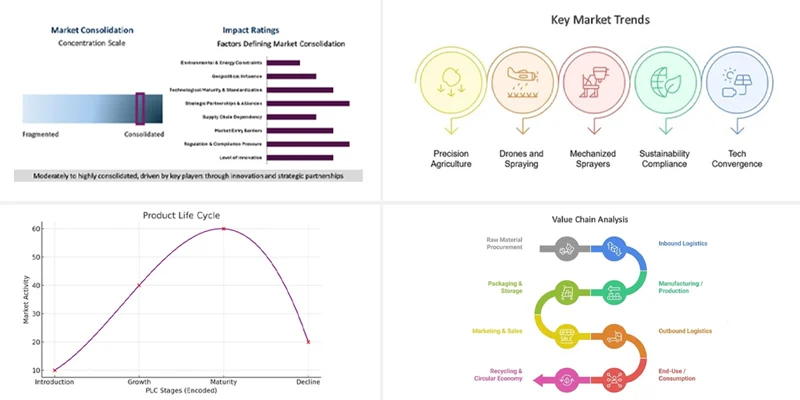

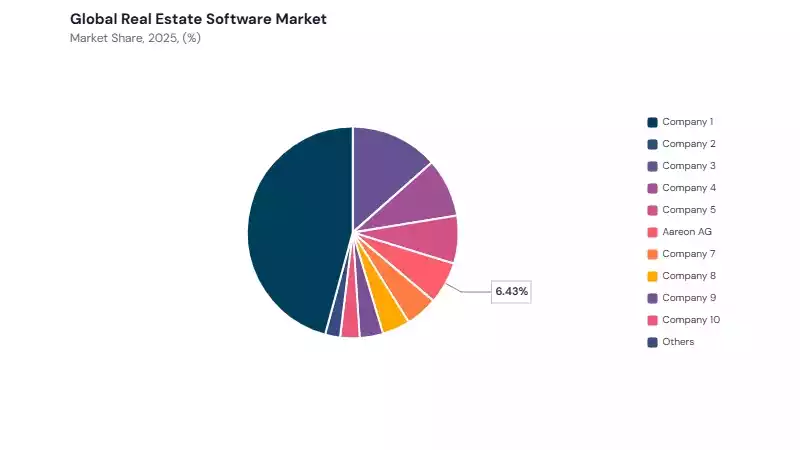
Real estate software market represents a cloud-driven competitive environment, driven by real estate data providers, established property management platforms, PropTech companies, and enterprise software vendors. Yardi Systems and Realpage maintain strong leadership through property management capabilities, integrated cloud platforms, broad customer relationships, and automation. AppFolio, CoStar, Buildium, Aareon, Entrata, and Altus Group further strengthen the market through commercial analytics, real estate intelligence, multifamily platforms, digital leasing, and investment tools.
Based on Deployment, the market is segmented into Cloud and On-premise. The Cloud market dominated the Global Real Estate Software Market by Deployment in 2025, and would continue to be a dominant market till 2033; thereby, achieving a market value of USD 17.3 billion by 2033, growing at a CAGR of 11.5 % during the forecast period. The On-premise market is expected to witness a CAGR of 12.8% during (2026 - 2033).
On-premise deployment continues to remain relevant among large enterprises, institutional investors, and organizations with strict data control requirements. These users prefer localized infrastructure for compliance, customization, legacy integration, and internal governance. While cloud adoption is increasing, on-premise solutions remain important where data residency, operational control, security policies, and specialized workflows are central purchasing factors.
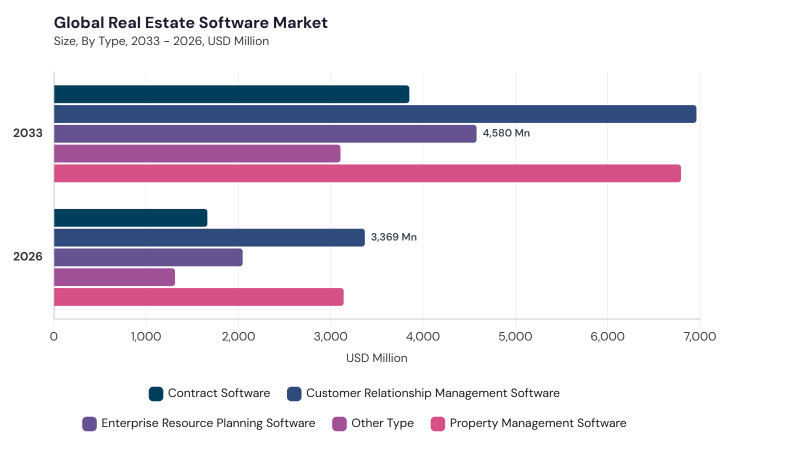
Based on Type, the market is segmented into Customer Relationship Management Software, Property Management Software, Enterprise Resource Planning Software, Contract Software, and Other Type. The Customer Relationship Management Software market dominated the Global Real Estate Software Market by Type in 2025, and would continue to be a dominant market till 2033; thereby, achieving a market value of USD 7.0 billion by 2033, growing at a CAGR of 10.9 % during the forecast period. The Property Management Software market is expected to witness a CAGR of 11.7% during (2026 - 2033). Additionally, The Enterprise Resource Planning Software market is expected to witness highest CAGR of 12.2% during (2026 - 2033).
Property Management Software supports rent collection, tenant screening, lease administration, maintenance scheduling, tenant communication, and financial tracking. Enterprise Resource Planning Software helps developers and large real estate firms integrate finance, procurement, HR, project management, and compliance workflows. Contract Software supports digital agreements, lease contracts, approvals, audit trails, and secure document handling, while Other Type includes analytics, investment tools, virtual tours, and automation platforms.
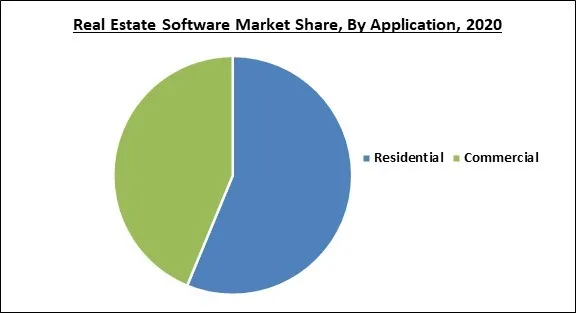
Based on Application, the market is segmented into Residential and Commercial. The Residential market dominated the Global Real Estate Software Market by Application in 2025, and would continue to be a dominant market till 2033; thereby, achieving a market value of USD 13.0 billion by 2033, growing at a CAGR of 11.4 % during the forecast period. The Commercial market is expected to witness a CAGR of 12.4% during (2026 - 2033).
Commercial real estate software supports lease administration, facility management, portfolio management, property accounting, investment analysis, space planning, and building performance monitoring. Commercial users require advanced platforms due to multi-tenant operations, complex lease structures, compliance needs, and high-value asset management. The segment is increasingly shaped by AI analytics, cloud platforms, ESG monitoring, smart building integration, and real-time asset performance tools.
Based on End Use, the market is segmented into Architects & Engineers, Real Estate Agents, Project Managers, and Other End Use. The Architects & Engineers market dominated the Global Real Estate Software Market by End Use in 2025, and would continue to be a dominant market till 2033; thereby, achieving a market value of USD 7.1 billion by 2033, growing at a CAGR of 10.9 % during the forecast period. The Real Estate Agents market is expected to witness a CAGR of 12.1% during (2026 - 2033). Additionally, The Project Managers market is expected to witness highest CAGR of 12.3% during (2026 - 2033).
Real Estate Agents use software for CRM, listings, virtual tours, transaction management, lead tracking, and client communication. Project Managers rely on scheduling, budgeting, document control, progress tracking, and stakeholder coordination tools. Other End Use includes investors, asset managers, property owners, facility managers, landlords, legal professionals, and corporate real estate teams using platforms for portfolio analysis, maintenance, lease management, asset tracking, and investment reporting.
Free Valuable Insights: Real Estate Software Market Size to reach $25.3 Billion by 2033
Region-wise, the Real Estate Software Market is analyzed across North America, Europe, Asia Pacific, and LAMEA. North America market is dominated by the real estate software market in 2025 and is estimated to hold largest share till 2033, with a market value of USD 8.6 billion by 2033, expanding at a CAGR of 11.3% during the projection period. Europe market is predicted to witness a CAGR of 11.5% during 2026-2033. Moreover, Asia Pacific market is estimated to grow at a CAGR of 12.5% in the upcoming years.
Asia Pacific region is gaining traction through smart city investments, rapid urbanization, mobile-first users, expanding real-estate development, and rising acceptance of cloud and AI-enabled real estate platforms. LAMEA region is developing through real-estate infrastructure growth, digital transformation, urban development, increasing demand for cost-efficient property management solutions and accelerating cloud adoption. Regional adoption depends on regulatory complexity, digital infrastructure, investment activity, real estate maturity, and software localization.
| Report Attribute | Details |
|---|---|
| Market size value in 2026 | USD 11.5 billion |
| Market size forecast in 2033 | USD 25.3 billion |
| Base Year | 2025 |
| Historical Period | 2022 to 2024 |
| Forecast Period | 2026 to 2033 |
| Revenue Growth Rate | CAGR of 11.9% from 2026 to 2033 |
| Number of Pages | 636 |
| Tables | 750 |
| Report Coverage | Market Trends, Revenue Estimation and Forecast, Segmentation Analysis, Regional and Country Breakdown, Competitive Landscape, Market Share Analysis, Company Profiling, Companies Strategic Developments, SWOT Analysis, Product Life Cycle Analysis, Value Chain Analysis, Market Consolidation Analysis, Key Customer Criteria, Pandemic Impact Analysis, and Winning Imperatives |
| Segments Covered | Deployment, Type, Application, End Use, and Geography |
| Country Scope |
|
| Companies Included | RealPage, Inc.; Yardi Systems, Inc.; CoStar Group, Inc.; AppFolio, Inc.; MRI Software LLC; Aareon AG; Entrata, Inc.; Constellation Software Inc.; Buildium LLC (RealPage, Inc.); Altus Group Limited |
By Deployment
By Type
By Application
By End Use
By Geography
Expected to reach USD 25.3 billion by 2033, growing at 11.9% CAGR during 2026-2033.
Cloud segment leads, projected to hit USD 17.3 billion by 2033.
RealPage, Yardi Systems, CoStar Group, AppFolio, MRI Software, Aareon AG, Entrata dominate the market.
North America leads, expected to reach USD 8.6 billion by 2033.
AI integration and real estate sector expansion boost software adoption.
Residential segment leads, projected to reach USD 13.0 billion by 2033.
Our team of dedicated experts can provide you with attractive expansion opportunities for your business.








 Unique Offerings