The sample copy of this report is available for access.
“Global Fruit Beer Market to reach a market value of USD 509.17 Million by 2033 growing at a CAGR of 4.3%”
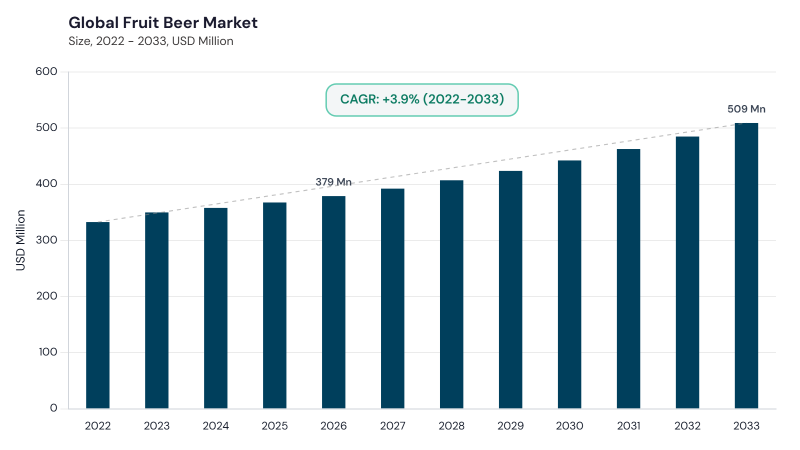
The Global Fruit Beer Market is expected to reach USD 509.2 million by 2033, growing at a CAGR of 4.3% during (2026 - 2033).
Growing consumer preference for craft beer varieties, flavored alcoholic beverages, differentiated drinking experiences, refreshing taste profiles, and lower bitterness is driving this across bars, retail, breweries, restaurants, and social occasions. Rising demand for berry, citrus, stone-fruit, tropical, no-alcohol, and naturally flavored beer variants is further supporting the market growth. The fruit beer market originated from traditional brewing practices where fruits were added to reduce harshness, improve flavor, and create regional beer varieties.
Fruit beer market is growing as consumers largely seek beverages that combine beer craftsmanship with natural ingredients, fruit-led refreshment, and unique sensory experiences. Breweries are expanding portfolios with peach, cherry, raspberry, citrus, apricot, tropical, berry, and mixed-fruit variants. Market growth is strengthened by local sourcing, craft brewing culture, low-and no-alcohol formats, sustainable production, and stronger availability through on-premise and retail channels. These elements are helping fruit beer appeal to both beer drinkers and consumers seeking lighter flavored alcoholic beverages.
Fruit beer market is innovation-driven with competition driven by regional specialty breweries, multinational brewers, Belgian fruit beer specialists, and craft producers. Market players compete through lambic heritage, authentic fruit fermentation, low-and-no alcohol variants, mixed fermentation, distinctive flavor combinations, and natural fruit ingredients. Market players benefit from distribution scale, while specialist breweries compete through premium positioning, brewing heritage, and fruit beer authenticity.
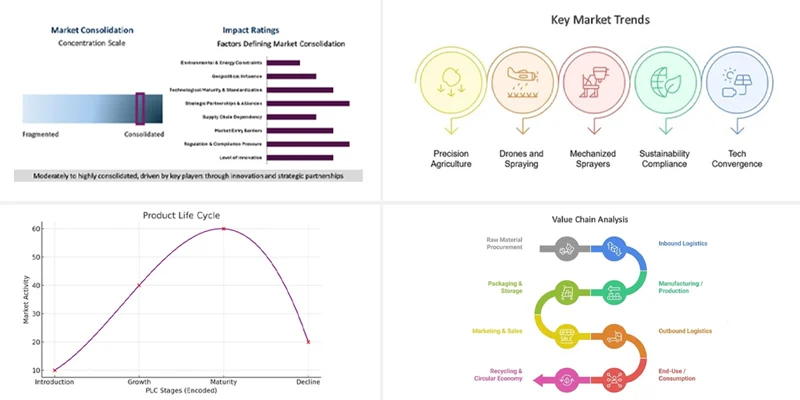

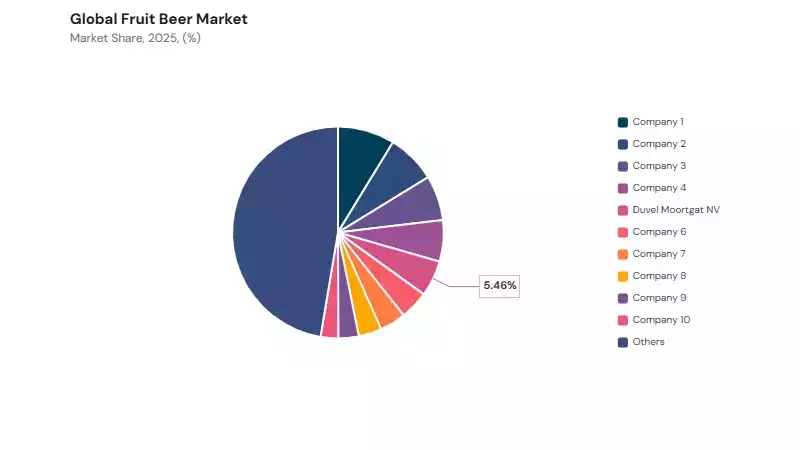
Fruit beer market is largely fragmented with competition driven by Heineken N.V., Anheuser-Busch InBev, Carlsberg Group, Brouwerij Huyghe, and Duvel Moortgat. Heineken, Carlsberg, and AB InBev from international distribution, and broad brewing scale, while Huyghe, Duvel Moortgat, Lindemans, and Van Honsebrouck support the market through lambic, Belgian fruit beer, specialty portfolios, and mixed-fermentation. Anthony Martin Group, Molson Coors, and Royal Unibrew further strengthen the market through shandy, fruit-flavored beer, and beer-mix products. Market competition depends on flavor innovation, authentic brewing methods, premium positioning, natural ingredients, and regional taste adaptation.
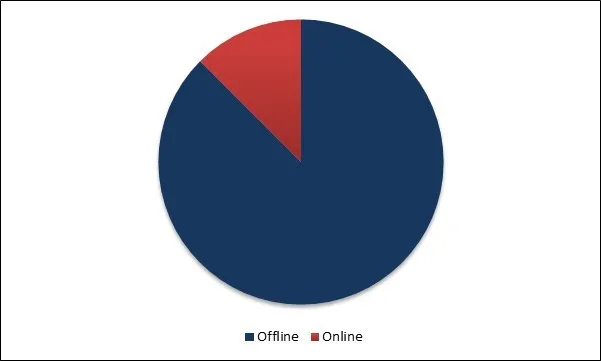
Based on Distribution Channel, the market is segmented into Off-Trade and On-Trade. The Off-Trade market dominated the Global Fruit Beer Market by Distribution Channel in 2025, and would continue to be a dominant market till 2033; thereby, achieving a market value of USD 262.8 million by 2033, growing at a CAGR of 3.9 % during the forecast period. The On-Trade market is expected to witness a CAGR of 4.7% during (2026 - 2033).
Off-Trade leads the market as consumers purchase fruit beer through supermarkets, liquor stores, specialty beverage retailers, convenience stores, and online retail platforms. This channel supports broad availability, packaged formats, variety-driven purchase behavior, and at-home consumption occasions. On-Trade remains important as bars, pubs, restaurants, breweries, taprooms, and hospitality venues create experiential consumption opportunities. This segment supports premium pricing, tastings, food pairing, seasonal menus, and consumer trial of craft and specialty fruit beer varieties.
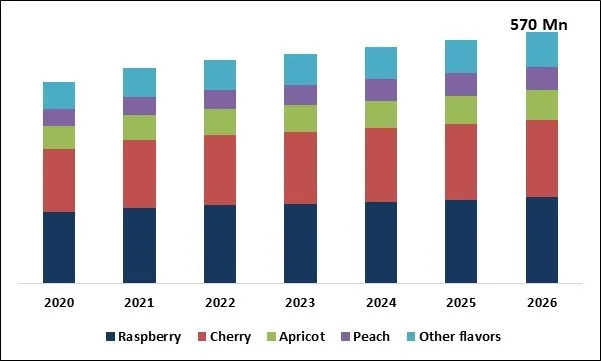
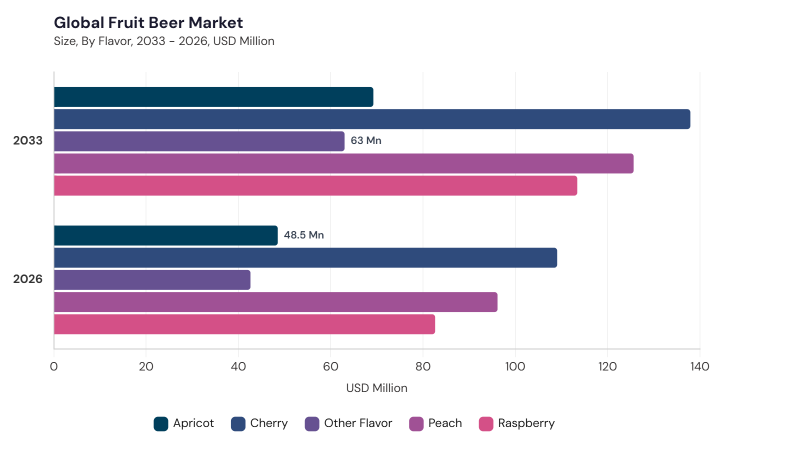
Based on Flavor, the market is segmented into Cherry, Peach, Raspberry, Apricot, and Other Flavor. The Cherry market dominated the Global Fruit Beer Market by Flavor in 2025, and would continue to be a dominant market till 2033; thereby, achieving a market value of USD 137.9 million by 2033, growing at a CAGR of 3.4 % during the forecast period. The Peach market is expected to witness a CAGR of 3.9% during (2026 - 2033). Additionally, The Raspberry market is expected to witness highest CAGR of 4.6% during (2026 - 2033).
Cherry leads the market due to its strong association with lambic, sour, craft, and specialty beer traditions, supported by its balanced sweet-tart profile. Peach is gaining demand due to its mild sweetness, refreshing taste, and use in seasonal and premium craft offerings. Raspberry remains important due to its pronounced fruit aroma, tartness, and appeal in sour and specialty beer styles. Apricot serves consumers seeking subtle stone-fruit profiles, while Other Flavor includes citrus, tropical fruits, mixed berries, exotic fruits, and blended profiles used for product differentiation.
Free Valuable Insights: Fruit Beer Market Size to reach $509.1 Million by 2033
Region-wise, the Fruit Beer Market is analyzed across North America, Europe, Asia Pacific, and LAMEA.
In 2025, the Europe region is led by fruit beer market and is estimated to be dominant till 2033, by gathering a market share of USD 186.3 million by 2033, expanding at a CAGR of 3.8%. The Asia Pacific is predicted to grow at a CAGR of 4.9% during the forecast period. Moreover, the LAMEA region is predicted to expand at a CAGR of 6.1% during 2026-2033.
Europe region led the fruit beer market to Belgian lambic heritage, strong brewing traditions, craft beer maturity, fruit-fermented styles, and demand for premium specialty beverages. North America is driven by seasonal fruit beer demand, craft brewery experimentation, and flavor-forward alcoholic beverage consumption. Asia Pacific is rising through premium beverage adoption, urbanization, growing interest in fruity, sweet, and innovative beer styles, and expanding modern retail. LAMEA is gradually growing through modern retail development, hospitality growth, and diversification of beer portfolios.
| Report Attribute | Details |
|---|---|
| Market size value in 2026 | USD 378.9 million |
| Market size forecast in 2033 | USD 509.1 million |
| Base Year | 2025 |
| Historical Period | 2022 to 2024 |
| Forecast Period | 2026 to 2033 |
| Revenue Growth Rate | CAGR of 4.3% during (2026 - 2033) |
| Number of Pages | 470 |
| Tables | 510 |
| Report Coverage | Market Trends, Revenue Estimation and Forecast, Segmentation Analysis, Regional and Country Breakdown, Competitive Landscape, Market Share Analysis, Company Profiling, Companies Strategic Developments, SWOT Analysis, Product Life Cycle Analysis, Value Chain Analysis, Market Consolidation Analysis, Key Customer Criteria, Pandemic Impact Analysis, and Winning Imperatives |
| Segments Covered | Distribution Channel, Flavor, Region |
| Country Scope |
|
| Companies Included | Anheuser-Busch InBev SA/NV, Carlsberg Group, Heineken N.V., Brouwerij Lindemans, Duvel Moortgat NV, Brouwerij Huyghe NV, Brouwerij Van Honsebrouck, Molson Coors Beverage Company, Anthony Martin Group, and Royal Unibrew A/S |
By Distribution Channel
By Flavor
By Geography
Expected to reach USD 509.2 million by 2033, growing at 4.3% CAGR during the forecast period (2026-2033).
Asia Pacific is projected to grow significantly, driven by rising consumer demand for premium offerings.
Anheuser-Busch InBev SA/NV, Carlsberg Group, Heineken N.V., Brouwerij Lindemans, Duvel Moortgat NV.
Rising consumer demand for experiential and premium fruit beer offerings boosts market growth.
Technological advancements are enabling superior fruit beer production, enhancing market appeal.
The market is expected to grow at 4.3% CAGR during the forecast period (2026-2033).
Our team of dedicated experts can provide you with attractive expansion opportunities for your business.








 Unique Offerings