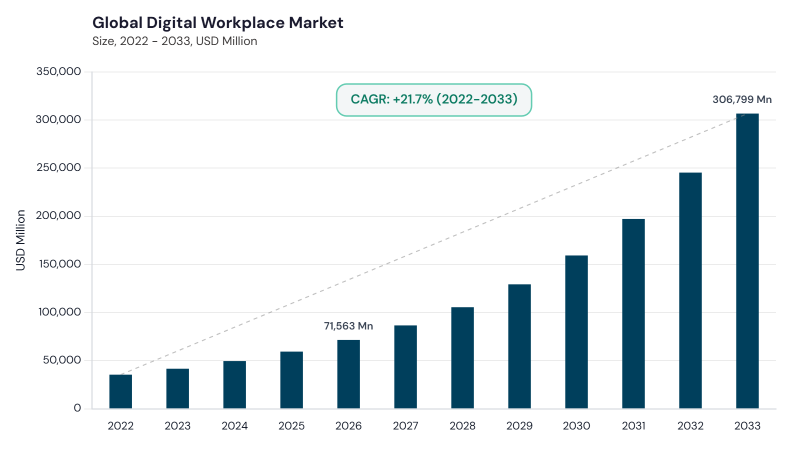
“Global Digital Workplace Market to reach a market value of USD 306,799.09 Million by 2033 growing at a CAGR of 23.1%”
The Global Digital Workplace Market is expected to reach USD 306.8 billion by 2033, growing at a CAGR of 23.1% during (2026 - 2033).
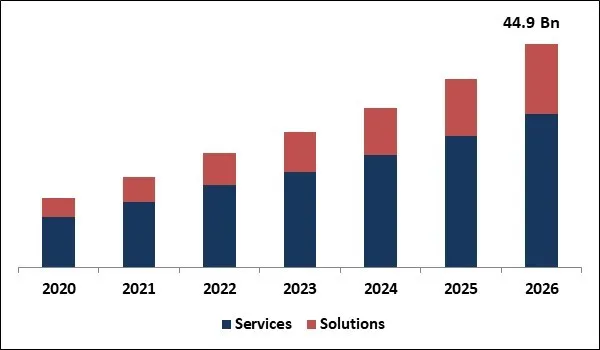
Digital workplace market is driven by rising demand for cloud-based collaboration, flexible work models, workflow automation, productivity tools, seamless team connectivity, and secure communication platforms. Demand is also accelerating as enterprises adopt unified communication platforms, AI-enabled productivity tools, integrated enterprise applications, and employee experience systems. The market evolved from basic digital tools like document sharing, email, and simple collaboration platforms used to replace traditional office processes. Real-time collaboration, mobile access, cloud computing, and connected enterprise applications transformed workplace operations.
Digital workplace market is rising as organizations largely shift from fragmented workplace tools toward unified digital ecosystems that secure access, hybrid teams, automated workflows, and real-time collaboration. Workflow automation, AI-powered assistants, digital adoption tools, employee analytics, and cloud platforms are enhancing workforce productivity and reducing operational friction. Market players are focusing on compliance, user experience, data security, interoperability, and scalable deployment models to meet SME requirements.
Competitive landscape of the market is consolidated and innovation-driven, supported by collaboration platforms, global productivity software providers, digital workplace service providers, endpoint management vendors, and cloud infrastructure companies. Market players compete through integrated collaboration suites, AI-enabled productivity, cloud-native workplace platforms, secure remote access, workflow automation, and employee experience tools. Regional and global providers are positioning themselves through industry-specific workflows, and managed workplace transformation support.
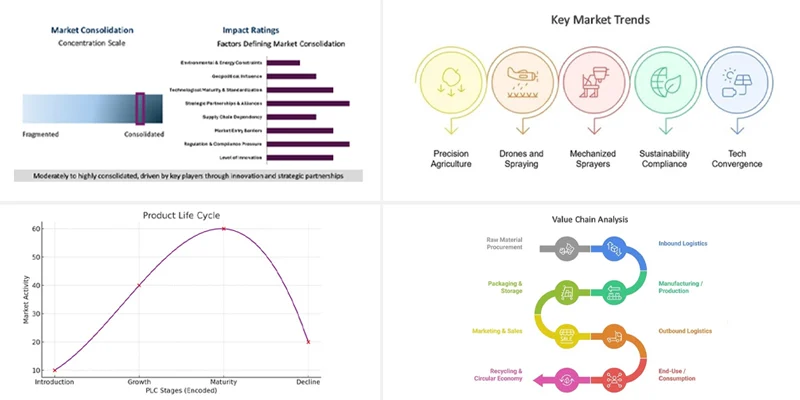

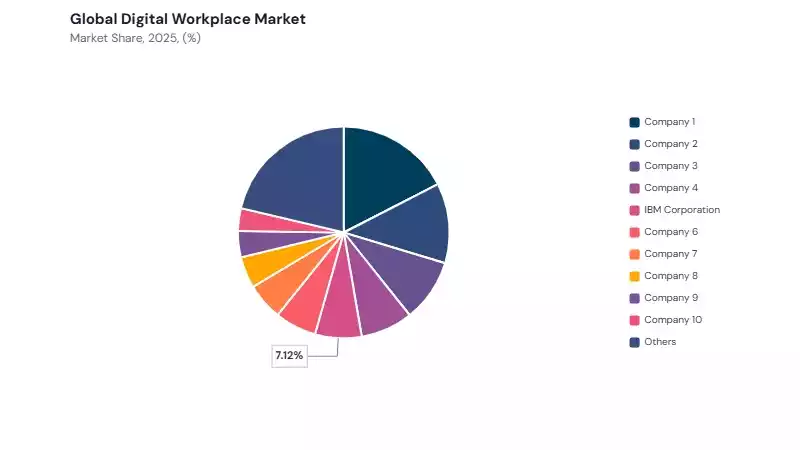
Digital workplace market represents a cloud-enabled competitive landscape led by collaboration platforms, enterprise productivity software vendors, managed digital workplace service companies, and workplace automation providers. Google and Microsoft maintain strong leadership through integrated communication platforms, broad cloud productivity ecosystems, enterprise-scale adoption, and AI-enabled tools. IBM, Citrix, Salesforce, Cisco, VMare, Zoom, and Atos further support competition through workflow automation, collaboration, digital employee experience, endpoint management, managed workplace transformation capabilities, and secure remote access.

Based on Component, the market is segmented into Solutions and Services. The Solutions market dominated the Global Digital Workplace Market by Component in 2025, and would continue to be a dominant market till 2033; thereby, achieving a market value of USD 194.0 billion by 2033, growing at a CAGR of 22.7 % during the forecast period. Additionally, The Services market is expected to witness highest CAGR of 23.9% during (2026 - 2033).
Services are gaining importance as enterprises require consulting, implementation, integration, migration, managed services, training, and support to optimize digital workplace performance. As digital workplace ecosystems become more complex, service providers help organizations manage change, strengthen cybersecurity, integrate legacy systems, and improve employee adoption. Demand for managed services, digital experience monitoring, and workplace analytics is rising as enterprises seek continuous improvement and measurable productivity outcomes.
Based on Organization Size, the market is segmented into Large Enterprises and Small and Medium-sized Enterprises (SMEs). The Large Enterprises market dominated the Global Digital Workplace Market by Organization Size in 2025, and would continue to be a dominant market till 2033; thereby, achieving a market value of USD 187.8 billion by 2033, growing at a CAGR of 22.6 % during the forecast period. Additionally, The Small and Medium-sized Enterprises (SMEs) market is expected to witness highest CAGR of 23.9% during (2026 - 2033).
Small and Medium-sized Enterprises are witnessing strong adoption due to affordable cloud-based tools, subscription models, simplified deployment, and reduced need for internal IT infrastructure. SMEs increasingly rely on digital workplace platforms to support hybrid work, improve collaboration, manage documents, automate workflows, and enhance customer engagement. Vendor focus on modular pricing, managed support, easy integration, and user-friendly interfaces is helping SMEs modernize workplace operations while maintaining flexibility and cost control.
Based on End-use, the market is segmented into BFSI, IT & Telecommunication, Retail & Consumer Goods, Healthcare & Pharmaceuticals, Manufacturing, and Other End-use. The BFSI market dominated the Global Digital Workplace Market by End-use in 2025, and would continue to be a dominant market till 2033; thereby, achieving a market value of USD 65.9 billion by 2033, growing at a CAGR of 21.8 % during the forecast period. The IT & Telecommunication market is expected to witness a CAGR of 22.3% during (2026 - 2033). Additionally, The Retail & Consumer Goods market is expected to witness highest CAGR of 23.5% during (2026 - 2033).
IT & Telecommunication benefits from distributed teams, cloud-native work environments, DevOps collaboration, customer support workflows, and continuous digital transformation. Retail & Consumer Goods uses digital workplace tools for workforce coordination, omnichannel operations, inventory communication, training, and customer service alignment. Healthcare & Pharmaceuticals rely on secure communication, clinical collaboration, documentation, and telehealth-related workflows, while Manufacturing uses connected workforce solutions, operational collaboration, and digital workflow management. Other End-use includes education, government, logistics, media, legal, and professional services adopting workplace platforms to improve flexibility and productivity.
Free Valuable Insights: Digital Workplace Market Size to reach $306.8 Billion by 2033
Region-wise, the Digital Workplace Market is analyzed across North America, Europe, Asia Pacific, and LAMEA.
In North America, the digital workplace market is expected to grow at highest rate, achieving a market value of USD 106.4 billion by 2033, growing at a CAGR of 22.3% in the upcoming years. Europe market is predicted to grow at a CAGR of 22.7% during 2026-2033. Furthermore, Asia Pacific is anticipated to grow at a CAGR of 24%.
Europe market is driven by data privacy requirements, digital transformation policies, hybrid work adoption, and demand for secure cloud-based workplace platforms. Asia Pacific region is gaining traction in the market through rising SME digitization, enterprise modernization, IT services expansion, mobile-first workplaces, and strong demand for cost-effective collaboration tools. LAMEA is witnessing growth through digital infrastructure growth, cloud adoption, public-sector modernization, and rising enterprise demand for scalable and secure workplace solutions.
| Report Attribute | Details |
|---|---|
| Market size value in 2026 | USD 71.6 billion |
| Market size forecast in 2033 | USD 306.8 billion |
| Base Year | 2025 |
| Historical Period | 2022 to 2024 |
| Forecast Period | 2026 to 2033 |
| Revenue Growth Rate | CAGR of 23.1% from 2026 to 2033 |
| Number of Pages | 534 |
| Tables | 630 |
| Report Coverage | Market Trends, Revenue Estimation and Forecast, Segmentation Analysis, Regional and Country Breakdown, Competitive Landscape, Market Share Analysis, Company Profiling, Companies Strategic Developments, SWOT Analysis, Product Life Cycle Analysis, Value Chain Analysis, Market Consolidation Analysis, Key Customer Criteria, Pandemic Impact Analysis, and Winning Imperatives |
| Segments Covered | Component, Organization Size, End-use, and Geography |
| Country Scope |
|
| Companies Included | Microsoft Corporation; Google LLC (Alphabet Inc.); Cisco Systems, Inc.; Salesforce, Inc.; IBM Corporation; ServiceNow, Inc.; Zoom Communications, Inc.; Citrix Systems, Inc. (Cloud Software Group); VMware LLC (Broadcom Inc.); Atos SE |
By Component
By Organization Size
By End-use
By Geography
Expected to reach USD 306.8 billion by 2033, growing at 23.1% CAGR during 2026-2033.
Solutions segment leads, projected to achieve USD 194.0 billion by 2033.
Microsoft, Google, Cisco, Salesforce, IBM, ServiceNow, Zoom, and Citrix are key players.
Large Enterprises segment dominates, expected to reach USD 187.8 billion by 2033.
North America leads, projected to reach USD 106.4 billion by 2033.
BFSI segment leads, expected to achieve USD 65.9 billion by 2033.
Our team of dedicated experts can provide you with attractive expansion opportunities for your business.






 Unique Offerings
