The sample copy of this report is available for access.
“Global Carrier Screening Market to reach a market value of USD 3,948.06 Million by 2033 growing at a CAGR of 12.3%”
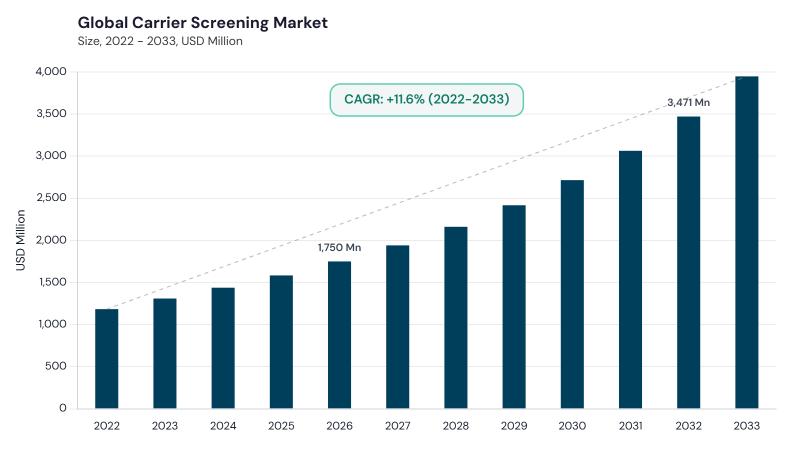
The Global Carrier Screening Market is expected to reach USD 3.9 billion by 2033, growing at a CAGR of 12.3% during (2026 - 2033).
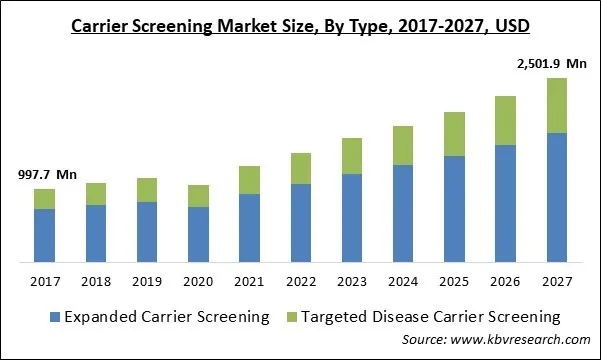
Carrier screening market is driven by rising awareness of inherited genetic disorders, increasing demand for informed family-planning decisions, and expanding access to reproductive healthcare. Market demand is growing as healthcare providers and individuals focus on preventive care, early risk identification, enhanced accuracy, broader test coverage, faster turnaround time, and personalized reproductive counselling. Carrier screening market evolved from hereditary disorder risks in offspring, and the understanding of genetic inheritance. Next-generation sequencing, PCR, enhanced bioinformatics, and expanded panels transformed the market from single-gene testing toward wider population screening.
Carrier screening market is expanding as next-generation sequencing, expanded panels, digital genetic counselling, and artificial intelligence enhance carrier detection and clinical interpretation. Market adoption is accelerating across prenatal screening, preconception testing, reproductive medicine, fertility care, and direct-to-consumer genetic testing. Carrier screening market further benefits from broader integration of carrier screening into stronger demand for personalized genetic insights, routine healthcare, and the need to reduce reproductive risk through early disease identification.
Competitive landscape of the market is highly dynamic and innovation-driven, supported by clinical diagnostics companies, specialized genetic testing laboratories, precision medicine organizations, and reproductive health testing providers. Companies are competing through next-generation sequencing, comprehensive screening panels, genetic counseling support, clinical validation, laboratory accreditation, digital reporting, reimbursement coverage, and AI-assisted variant interpretation. Market competition largely relies on automation, scalable genomic interpretation, expanded panels, and clinically actionable hereditary screening solutions.
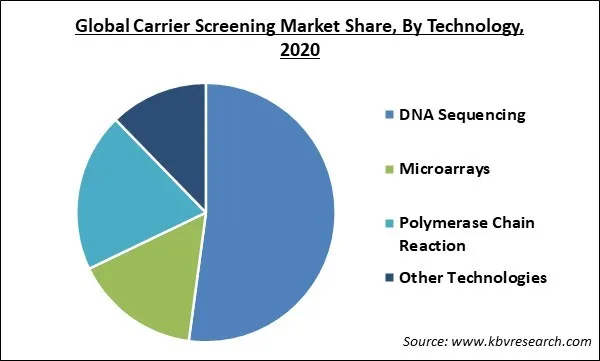
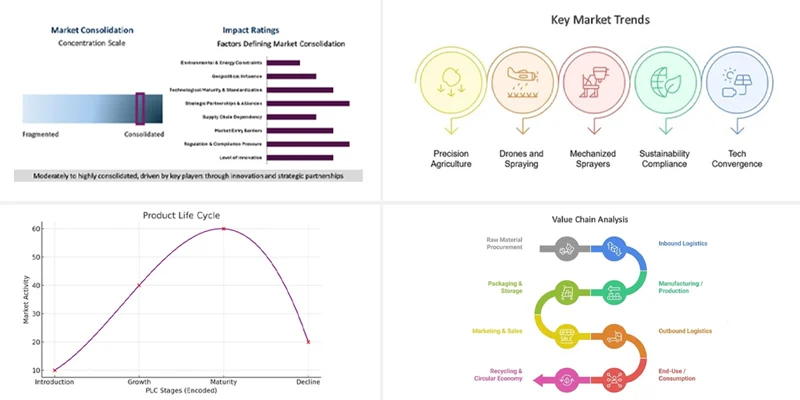

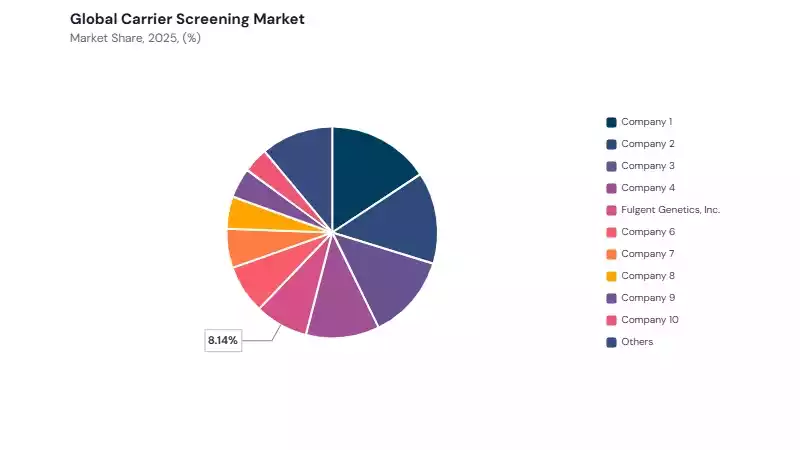
Carrier screening market represents a molecular diagnostic-driven competitive landscape driven by large clinical laboratory networks, and reproductive genetic testing companies. Quest Diagnostics, Labcorp, and Fulgent Genetic strengthen through wider laboratory infrastructure, flexible genetic testing platforms, molecular diagnostic capabilities, and reproductive health services. MedGenome, GeneDx, Tempus AI, Eurofins Scientific, and OPKO Health further contribute through genomic analytics, hereditary disease testing, regional laboratory networks, rare disease diagnostics, and expanded carrier screening capabilities.
Based on Type, the market is segmented into Expanded and Targeted Disease. The Expanded market dominated the Global Carrier Screening Market by Type in 2025, and would continue to be a dominant market till 2033; thereby, achieving a market value of USD 2.5 billion by 2033, growing at a CAGR of 12 % during the forecast period. The Targeted Disease market is expected to witness a CAGR of 12.9% during (2026 - 2033).
Expanded leads the market as it enables simultaneous screening for a wide range of inherited genetic disorders through a single test. It is increasingly used in preconception and prenatal care due to its comprehensive reproductive risk assessment value. Targeted Disease remains important for family-history-based, ethnicity-based, and condition-specific screening where cost efficiency and clinical familiarity are important.
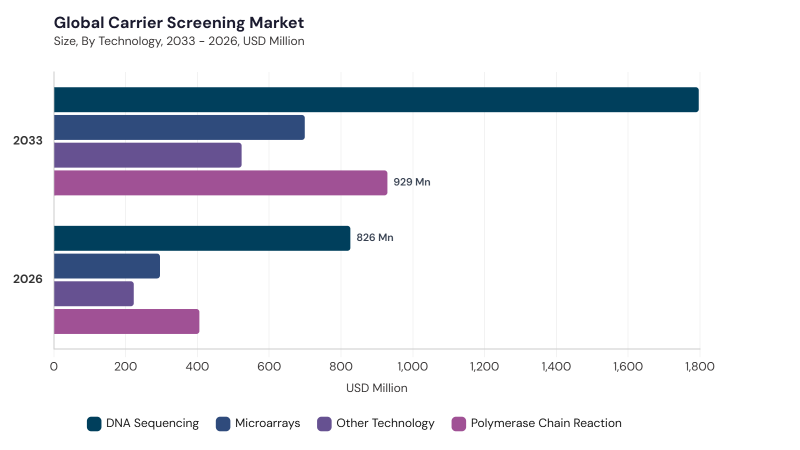
Based on Technology, the market is segmented into DNA Sequencing, Polymerase Chain Reaction, Microarrays, and Other Technology. The DNA Sequencing market dominated the Global Carrier Screening Market by Technology in 2025, and would continue to be a dominant market till 2033; thereby, achieving a market value of USD 1.8 billion by 2033, growing at a CAGR of 11.7 % during the forecast period. The Polymerase Chain Reaction market is expected to witness a CAGR of 12.6% during (2026 - 2033). The Other Technology market is expected to witness a CAGR of 13% during (2026 - 2033).
DNA Sequencing leads due to high accuracy, broad mutation detection, and strong adoption of next-generation sequencing in carrier screening. Polymerase Chain Reaction supports rapid and cost-effective detection of known variants, while Microarrays enable high-throughput analysis of predefined mutations. Other Technology includes emerging molecular techniques that support specialized detection, workflow improvement, and complementary genomic testing.
Based on End-use, the market is segmented into Laboratories, Hospitals, Physician Offices & Clinics, and Other End-use. The Laboratories market dominated the Global Carrier Screening Market by End-use in 2025, and would continue to be a dominant market till 2033; thereby, achieving a market value of USD 1.7 billion by 2033, growing at a CAGR of 11.7 % during the forecast period. The Hospitals market is expected to witness a CAGR of 12.5% during (2026 - 2033). Additionally, The Physician Offices & Clinics market is expected to witness highest CAGR of 13.2% during (2026 - 2033).
Laboratories lead the market due to advanced molecular diagnostic infrastructure, high testing capacity, bioinformatics expertise, and large sample volumes. Hospitals integrate carrier screening into prenatal diagnostics, reproductive medicine, and genetic counseling pathways. Physician Offices & Clinics expand access through routine reproductive health assessments, while Other End-use includes specialized diagnostic centers, fertility centers, and community healthcare facilities.
Based on Medical Condition, the market is segmented into Cystic Fibrosis, Spinal Muscular Atrophy, Sickle Cell Disease, Tay-Sachs, Gaucher Disease, and Other Medical Condition. The Cystic Fibrosis market dominated the Global Carrier Screening Market by Medical Condition in 2025, and would continue to be a dominant market till 2033; thereby, achieving a market value of USD 1.2 billion by 2033, growing at a CAGR of 10.8 % during the forecast period. The Spinal Muscular Atrophy market is expected to witness a CAGR of 12% during (2026 - 2033). Additionally, The Sickle Cell Disease market is expected to witness highest CAGR of 13.3% during (2026 - 2033).
Cystic Fibrosis leads due to established screening guidelines, strong clinical awareness, and routine inclusion in reproductive genetic testing programs. Spinal Muscular Atrophy gains demand through early detection and expanded screening initiatives, while Sickle Cell Disease remains important among high-risk populations. Tay-Sachs and Gaucher Disease continue through targeted programs, while Other Medical Condition grows through expanded panels covering rare inherited disorders.
Free Valuable Insights: Carrier Screening Market Size to reach $3.9 Billion by 2033
Region-wise, the Carrier Screening Market is analyzed across North America, Europe, Asia Pacific, and LAMEA. North America held the largest share in carrier screening market by 2025 and is estimated to remain dominant with a market value of USD 1.6 billion, growing at a CAGR of 11.8% in the forecast period. The APAC market is predicted to grow at a CAGR of 13% during 2026-2033. Moreover, Europe market is predicted to expand with a CAGR of 11.9% in the forecast period.
North America region is witnessing market expansion because of advanced genetic testing adoption, mature healthcare infrastructure, favorable reimbursement support, and strong prenatal screening awareness. Europe market is shaped by precision medicine investments, genetic counseling services, and structured healthcare systems. Asia Pacific is gaining traction through healthcare investment, and molecular diagnostics expansion, while LAMEA is developing through enhancing reproductive healthcare access and growing awareness of genetic testing.
| Report Attribute | Details |
|---|---|
| Market size value in 2026 | USD 1.8 billion |
| Market size forecast in 2033 | USD 3.9 billion |
| Base Year | 2025 |
| Historical Period | 2022 to 2024 |
| Forecast Period | 2026 to 2033 |
| Revenue Growth Rate | CAGR of 12.3% from 2026 to 2033 |
| Number of Pages | 677 |
| Tables | 840 |
| Report Coverage | Market Trends, Revenue Estimation and Forecast, Segmentation Analysis, Regional and Country Breakdown, Competitive Landscape, Market Share Analysis, Company Profiling, Companies Strategic Developments, SWOT Analysis, Product Life Cycle Analysis, Value Chain Analysis, Market Consolidation Analysis, Key Customer Criteria, Pandemic Impact Analysis, and Winning Imperatives |
| Segments Covered | Type, Technology, End-use, Medical Condition, and Geography |
| Country Scope |
|
| Companies Included | Natera, Inc.; Myriad Genetics, Inc.; Labcorp Holdings Inc. (including select Invitae assets); Quest Diagnostics Incorporated; Fulgent Genetics, Inc.; Tempus AI, Inc. (Ambry Genetics); OPKO Health, Inc. (BioReference / GenPath); GeneDx Holdings Corp.; Eurofins Scientific SE; MedGenome Labs Ltd. |
By Type
By Technology
By End-use
By Medical Condition
By Geography
The market is expected to reach USD 3.9 billion by 2033, growing at 12.3% CAGR during 2026-2033.
The Expanded segment leads, projected to achieve a market value of USD 2.5 billion by 2033.
Natera, Myriad Genetics, Labcorp, Quest Diagnostics, Fulgent Genetics, Tempus AI, and OPKO Health are key players.
North America leads with a market value of USD 1.6 billion by 2033.
Expanded genetic testing protocols and rising consumer demand for direct-to-consumer genetic testing are key drivers.
The Cystic Fibrosis segment leads, projected to reach USD 1.2 billion by 2033.
Our team of dedicated experts can provide you with attractive expansion opportunities for your business.








 Unique Offerings