The sample copy of this report is available for access.
“Global eSIM Market to reach a market value of USD 5,880.92 Million by 2033 growing at a CAGR of 16.7%”
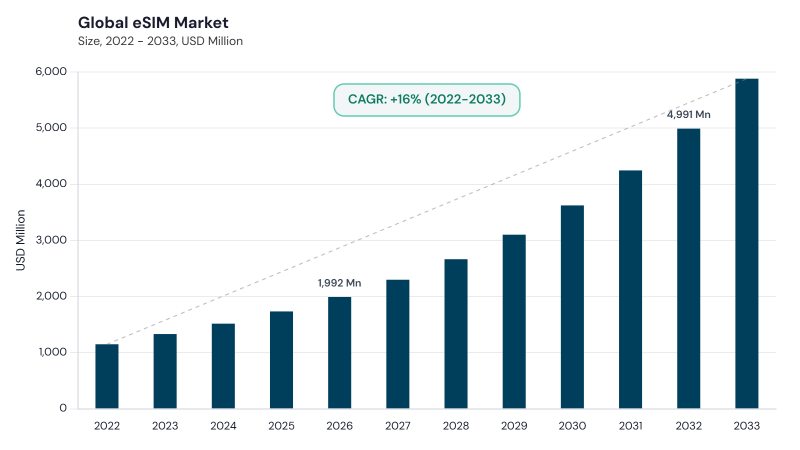
The Global eSIM Market is expected to reach USD 5880.9 million by 2033, growing at a CAGR of 16.7% during (2026 - 2033).
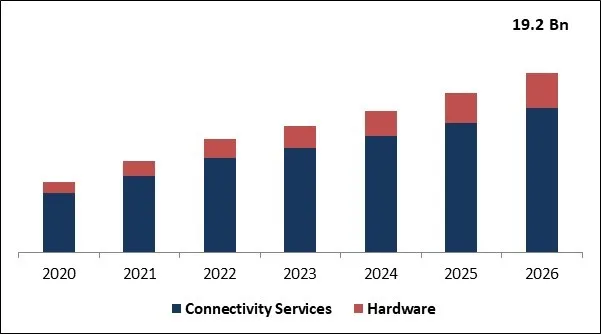
Growing demand for seamless connectivity, flexible mobile subscriptions, remote SIM provisioning, simplified device management, and compact device design is driving the eSIM Market across smartphones, wearables, connected vehicles, laptops, tablets, smart home devices, vehicle tracking, and IoT applications. Adoption is further strengthened by expanding 5G networks, rising connected-device penetration, international travel connectivity needs, telecom operator support, secure multi-profile management, enhanced interoperability, and scalable subscription management platforms.
Growth in the eSIM Market is driven by the convergence of connected-device expansion, 5G rollout, international mobility, IoT deployment, and demand for digital-first mobile activation. eSIM enables users and enterprises to activate, switch, and manage mobile network profiles remotely without physical SIM handling. This capability improves flexibility for smartphone users, lowers logistics complexity for device manufacturers, and supports scalable connectivity management for automotive, industrial IoT, logistics, utilities, smart cities, and connected infrastructure. Increasing support from telecom operators, device OEMs, eSIM platform providers, and connectivity aggregators is further accelerating ecosystem maturity.
The competitive environment is secure-connectivity-led and moderately consolidated, with digital-security companies, eUICC manufacturers, remote SIM provisioning providers, telecom connectivity platforms, and IoT orchestration specialists competing across the market. Giesecke+Devrient leads through its AirOn360 and IoTgo portfolio, while Thales competes through eSIM, iSIM, On-Demand Subscription Manager, Adaptive Connect, and Discovery Service capabilities. IDEMIA Secure Transactions strengthens the market through certified SGP.32 eSIM IoT solutions and Smart Connect, while Valid, Kigen, Trasna, 1GLOBAL, RedTea Mobile, Tata Communications, and Eastcompeace add depth through cloud provisioning, eSIM OS, iSIM, APIs, entitlement services, connectivity orchestration, multi-network management, and enterprise IoT enablement.
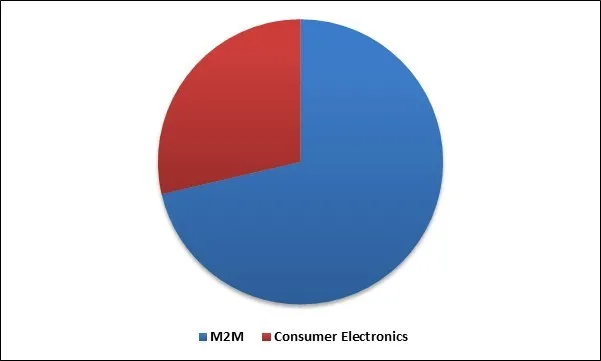
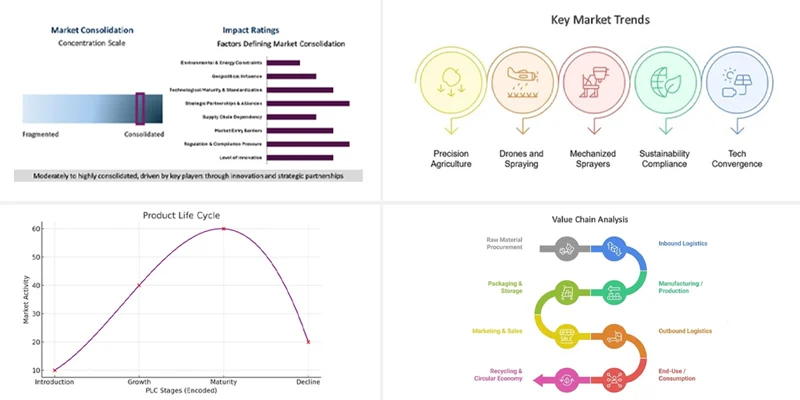

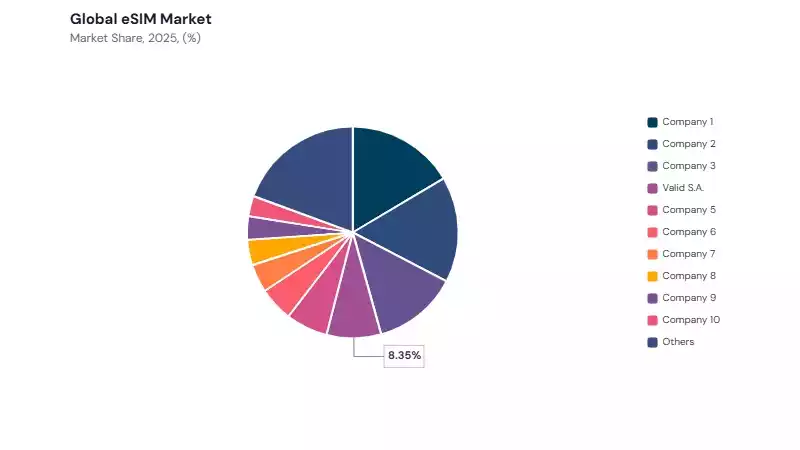
The global eSIM Market reflects a moderately consolidated and secure-connectivity-driven competitive landscape, where established digital-security providers, eUICC manufacturers, remote SIM provisioning specialists, telecom connectivity platforms, and IoT lifecycle-management vendors compete across consumer, automotive, enterprise, and industrial use cases. Giesecke+Devrient and Thales Group maintain leading positions through broad eSIM hardware, secure credential management, subscription management, and operator ecosystem relationships. IDEMIA Secure Transactions, Valid S.A., and Kigen form a strong technology-focused tier through certified SGP.32 platforms, eSIM operating systems, remote provisioning, iSIM development, and IoT eSIM management.
Based on Application, the market is segmented into Connected Cars, Smartphones, Wearable Devices, Laptops/Tablets, Smart Home Appliances, Vehicle Tracking, and Other Application. The Connected Cars market dominated the Global eSIM Market by Application in 2025, and would continue to be a dominant market till 2033; thereby, achieving a market value of USD 1251.7 million by 2033, growing at a CAGR of 15.5 % during the forecast period. The Smartphones market is expected to witness a CAGR of 15.7% during (2026 - 2033). Additionally, The Wearable Devices market is expected to witness highest CAGR of 17.2% during (2026 - 2033).
Connected Cars remain the leading application as automotive OEMs increasingly integrate eSIMs for telematics, infotainment, emergency services, navigation, remote diagnostics, OTA updates, fleet services, and connected mobility platforms. Smartphones represent a major adoption driver because eSIM simplifies carrier switching, dual-SIM functionality, international roaming, and digital activation. Wearable Devices benefit from compact, low-power embedded connectivity that enables smartwatches, fitness trackers, health monitors, and independent cellular use. Laptops/Tablets support always-connected computing, while Smart Home Appliances and Vehicle Tracking use eSIMs for reliable IoT connectivity, remote management, logistics visibility, and asset monitoring. Other Application includes public safety devices, industrial equipment, smart-city infrastructure, and specialized IoT use cases.
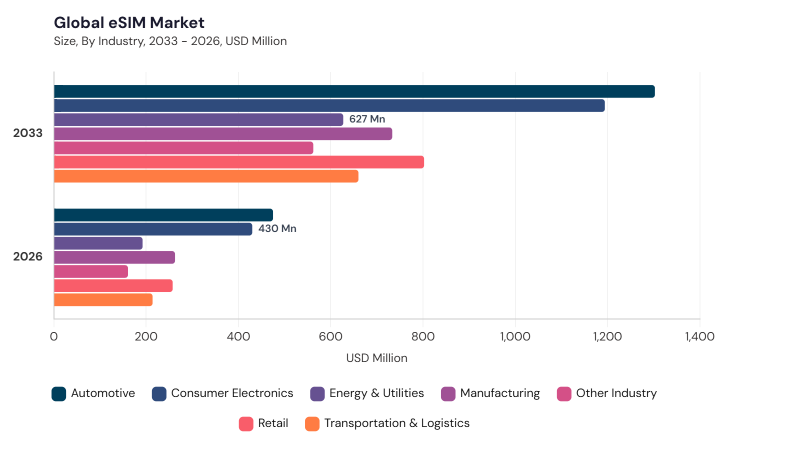
Based on Industry, the market is segmented into Automotive, Consumer Electronics, Manufacturing, Retail, Transportation & Logistics, Energy & Utilities, and Other Industry. The Automotive market dominated the Global eSIM Market by Industry in 2025, and would continue to be a dominant market till 2033; thereby, achieving a market value of USD 1302.3 million by 2033, growing at a CAGR of 15.5 % during the forecast period. The Consumer Electronics market is expected to witness a CAGR of 15.7% during (2026 - 2033). Additionally, The Manufacturing market is expected to witness highest CAGR of 15.8% during (2026 - 2033).
Automotive remains the leading industry due to rising demand for connected vehicles, telematics, V2X communication, OTA services, emergency calling, and lifecycle-based cellular connectivity. Consumer Electronics benefits from rising eSIM integration across smartphones, tablets, laptops, wearables, smart home devices, and connected consumer products. Manufacturing uses eSIMs for industrial IoT, robotics, predictive maintenance, asset tracking, and smart factory connectivity. Retail adoption is supported by connected POS terminals, digital signage, inventory systems, and smart kiosks. Transportation & Logistics relies on eSIM for fleet tracking, shipment visibility, route optimization, and asset monitoring, while Energy & Utilities uses eSIM-enabled connectivity for smart meters, grid monitoring, remote sensors, and distributed infrastructure. Other Industry includes healthcare, agriculture, public services, and specialized enterprise IoT applications.
Free Valuable Insights: eSIM Market Size to reach $5880.9 Million by 2033
Region-wise, the eSIM Market is analyzed across North America, Europe, Asia Pacific, and LAMEA. The North America market dominated the Global eSIM Market by Region in 2025, and would continue to be a dominant market till 2033; thereby, achieving a market value of USD 1995.4 million by 2033, growing at a CAGR of 16.1 % during the forecast period. The Europe market is expected to witness a CAGR of 16.3% during (2026 - 2033). Additionally, The Asia Pacific market is expected to witness a CAGR of 17.5% during (2026 - 2033).
North America leads the global market due to high adoption of eSIM-enabled smartphones, connected vehicles, wearables, enterprise IoT devices, 5G networks, digital activation models, and mature telecom infrastructure. Europe benefits from strong automotive connectivity, regulatory support for interoperability, consumer data protection, cross-border mobility, and expanding connected-device adoption. Asia Pacific is growing through smartphone penetration, IoT deployment, 5G expansion, electronics manufacturing, smart city initiatives, connected mobility, and rising digital subscription adoption across China, Japan, India, South Korea, Singapore, and Malaysia. LAMEA is developing through 5G rollout, national digital transformation programs, international travel demand, fleet connectivity, utilities modernization, smart infrastructure, and rising adoption of digital mobile services.
| Report Attribute | Details |
|---|---|
| Market size value in 2026 | USD 1992.3 million |
| Market size forecast in 2033 | USD 5880.9 million |
| Base Year | 2025 |
| Historical Period | 2022 to 2024 |
| Forecast Period | 2026 to 2033 |
| Revenue Growth Rate | CAGR of 16.7% from 2026 to 2033 |
| Number of Pages | 558 |
| Tables | 720 |
| Report Coverage | Market Trends, Revenue Estimation and Forecast, Segmentation Analysis, Regional and Country Breakdown, Competitive Landscape, Market Share Analysis, Company Profiling, Companies Strategic Developments, SWOT Analysis, Product Life Cycle Analysis, Value Chain Analysis, Market Consolidation Analysis, Key Customer Criteria, Pandemic Impact Analysis, and Winning Imperatives |
| Segments Covered | Application, Industry, and Geography |
| Country Scope |
|
| Companies Included | Giesecke+Devrient GmbH; Thales Group; IDEMIA Secure Transactions; Valid S.A.; Kigen; Trasna Holdings; 1GLOBAL; RedTea Mobile; Tata Communications; Eastcompeace Technology |
By Application
By Industry
By Geography
The Global eSIM Market size is expected to reach USD 5880.9 million by 2033, rising at a 16.7% CAGR during 2026-2033.
The market is growing at a 16.7% CAGR during the forecast period (2026-2033).
Giesecke+Devrient GmbH, Thales Group, IDEMIA Secure Transactions, Valid S.A., Kigen, and Trasna Holdings are key players.
Increasing IoT integration and the proliferation of connected devices are driving market growth.
Enhanced consumer awareness and increasing smartphone adoption are major growth factors.
Regulatory evolution and industry standardization are enhancing market accessibility.
Our team of dedicated experts can provide you with attractive expansion opportunities for your business.








 Unique Offerings