The sample copy of this report is available for access.
“Global LED Driver Market to reach a market value of USD 118,458.6 Million by 2033 growing at a CAGR of 9.7%”
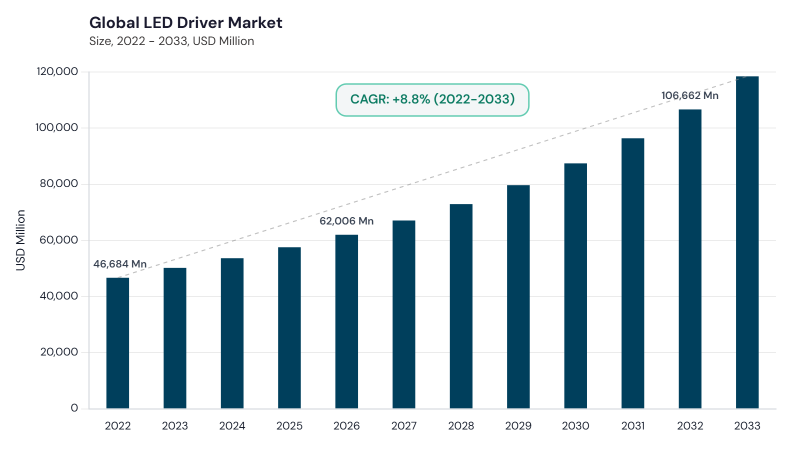
The Global LED Driver Market is expected to reach USD 118,458.6 Million by 2033, growing at a CAGR of 9.7% during the forecast period.
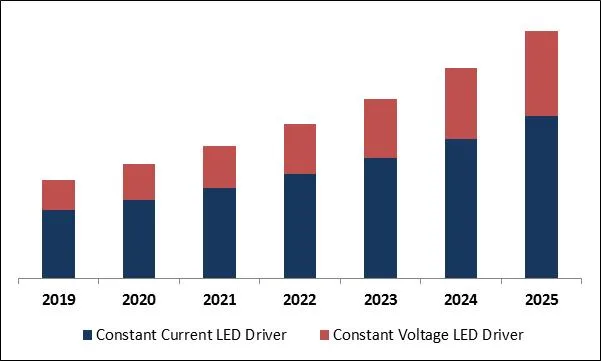
The growth of the LED Driver Market is primarily driven by the increasing adoption of energy-efficient lighting systems across residential, commercial, industrial, automotive, and infrastructure applications worldwide. Governments across major economies are actively promoting LED lighting deployment through stringent energy efficiency regulations, sustainability initiatives, and smart city development programs. LED drivers play a critical role in regulating power supply, improving energy optimization, extending LED lifespan, and enhancing lighting system performance. Growing investments in intelligent lighting systems, connected infrastructure, and advanced semiconductor technologies continue supporting market expansion globally.
The Global LED Driver Market has evolved significantly from conventional analog lighting power management systems into highly sophisticated intelligent lighting ecosystems. LED drivers are essential components that regulate and stabilize power supplied to LED lighting systems while improving operational efficiency, thermal management, and product lifespan. Initially deployed for basic illumination applications, LED drivers are now increasingly integrated with smart lighting technologies, programmable dimming systems, wireless communication protocols, and IoT-enabled infrastructure. The rapid shift toward energy-efficient lighting solutions across residential, commercial, automotive, and industrial environments continues to accelerate market growth globally.
The increasing adoption of smart city infrastructure and connected lighting ecosystems is creating substantial growth opportunities for advanced LED driver technologies. Governments worldwide are investing heavily in energy-efficient urban infrastructure projects involving intelligent street lighting systems, smart buildings, and connected transportation networks. Smart LED drivers integrated with sensors, cloud-based monitoring systems, and adaptive dimming technologies are enabling remote energy management, predictive maintenance, and optimized electricity consumption. Additionally, rising environmental awareness and stringent regulations focused on reducing carbon emissions are further encouraging widespread adoption of LED-based lighting systems globally.
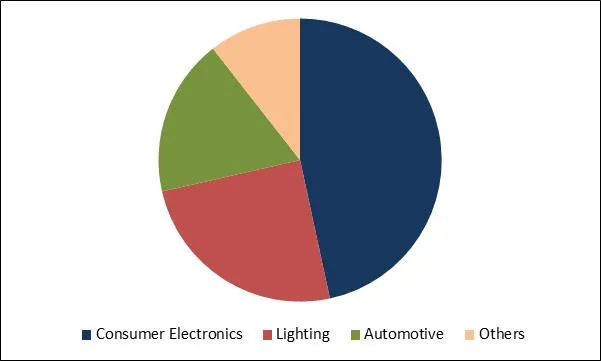
Technological advancements in semiconductor integration, miniaturized power electronics, and programmable lighting architectures are further transforming the competitive landscape of the LED Driver Market. Manufacturers are increasingly focusing on compact driver architectures, enhanced thermal protection systems, wireless compatibility, and AI-enabled lighting controls to improve operational flexibility and scalability. Automotive manufacturers are also integrating advanced LED driver systems into electric vehicles, adaptive headlights, and ambient interior lighting technologies to improve safety, aesthetics, and energy efficiency. The growing integration of connected infrastructure and intelligent lighting systems is expected to remain a major long-term growth catalyst for the market.
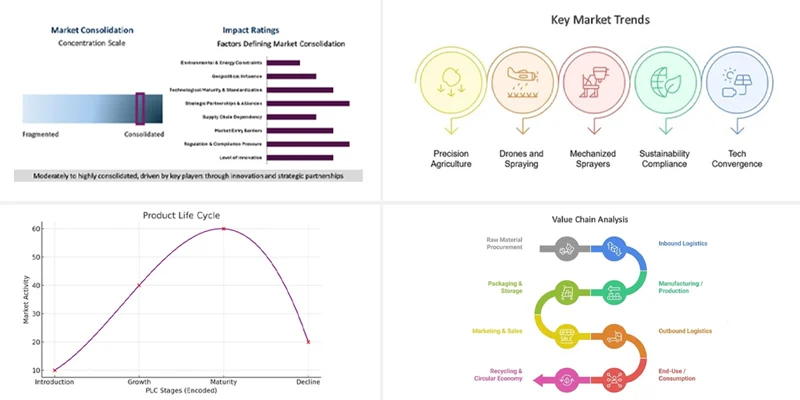

The leading players in the LED Driver Market are increasingly investing in intelligent lighting ecosystems, advanced semiconductor integration, programmable drivers, and connected infrastructure technologies to strengthen their competitive positions. Vendors continue emphasizing energy efficiency, wireless connectivity, dimming functionality, miniaturization, and thermal optimization to differentiate their product offerings globally.
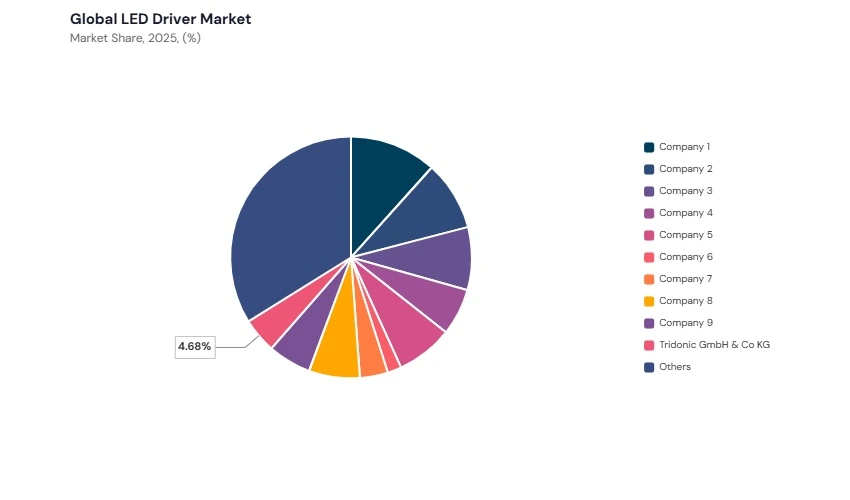
Signify Holding maintains strong market presence through advanced connected lighting platforms and intelligent driver technologies. OSRAM GmbH continues strengthening its position through automotive lighting innovations and programmable LED driver systems. Acuity Brands, Inc. focuses on commercial smart lighting systems integrated with intelligent control technologies. Samsung Electronics Co., Ltd., Cree Lighting USA LLC, and Delta Electronics, Inc. also remain prominent innovators emphasizing energy-efficient lighting infrastructure and intelligent power management technologies. Luminaire Component Outlook
Based on Luminaire Component, the market is segmented into LED Luminaires and LED Lamps. The LED Luminaires segment dominated the Global LED Driver Market by Luminaire Component in 2025, attaining a market value of USD 35,929.3 Million. The segment continues witnessing strong adoption owing to increasing deployment of integrated lighting systems across commercial buildings, industrial facilities, smart city infrastructure, and public lighting projects.
Rising investments in energy-efficient lighting systems, connected infrastructure, and intelligent luminaires integrated with smart lighting controls are further strengthening segment growth globally. Meanwhile, the LED Lamps segment is expected to witness a CAGR of 10.9% during the forecast period driven by increasing residential adoption, replacement of conventional lighting systems, and growing demand for affordable energy-efficient lighting solutions across emerging economies.
Based on Component, the market is segmented into Driver IC, Discrete Components, and Other Component. The Driver IC segment generated a market value of USD 25,355.0 Million in 2025 due to increasing integration of intelligent dimming capabilities, programmable lighting architectures, thermal protection features, and IoT-enabled lighting controls across smart infrastructure applications.
The Discrete Components segment is expected to witness a CAGR of 10.0% during the forecast period supported by widespread deployment across industrial lighting systems, automotive electronics, and high-performance power conversion applications requiring stable operational efficiency and enhanced thermal reliability. Meanwhile, the Other Component segment continues witnessing stable demand supported by increasing customization and integration of advanced lighting architectures.
Based on Supply Type, the market is segmented into Constant Current and Constant Voltage. The Constant Current segment dominated the market in 2025, attaining a market value of USD 38,193.8 Million. The dominance of the segment is attributed to its ability to provide stable current output, improved thermal management, enhanced LED lifespan, and better operational efficiency across commercial, industrial, and outdoor lighting applications. Increasing deployment of intelligent lighting systems and smart infrastructure projects is further supporting segment expansion globally. Meanwhile, the Constant Voltage segment is expected to witness a CAGR of 9.5% during the forecast period driven by rising adoption in decorative lighting, signage systems, modular LED installations, and residential smart lighting applications requiring flexible voltage configurations.
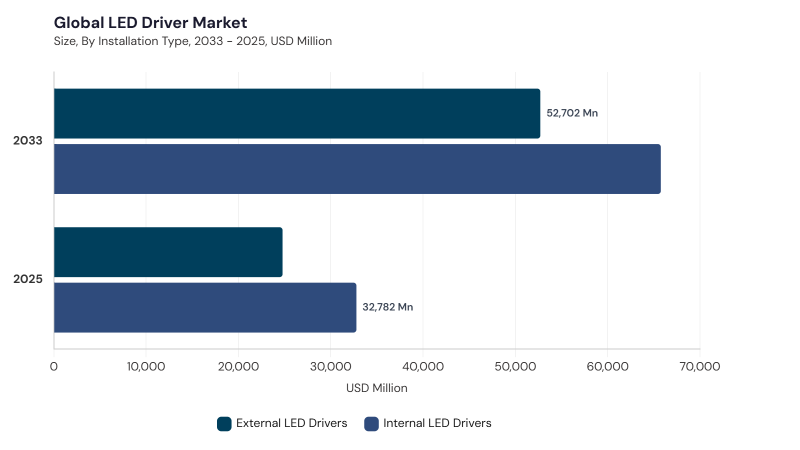
Based on Installation Type, the market is segmented into Internal LED Drivers and External LED Drivers. The Internal LED Drivers segment dominated the market in 2025, recording a market value of USD 32,781.8 Million. The segment growth is supported by increasing deployment of compact lighting systems, integrated luminaires, and space-efficient residential and commercial lighting applications where internal drivers offer streamlined installation and compact form factors.
Meanwhile, the External LED Drivers segment is expected to register a CAGR of 10.1% during the forecast period owing to advantages such as easier maintenance, enhanced thermal management capabilities, operational flexibility, and increasing adoption across industrial, outdoor, and high-power lighting systems.
Based on Application, the market is segmented into Residential Lighting, Commercial Lighting, Industrial Lighting, Automotive, Consumer Electronics, and Other Application. The Residential Lighting segment dominated the market in 2025, attaining a market value of USD 18,919.6 Million driven by increasing consumer awareness regarding energy-efficient lighting systems, rising smart home adoption, and continuous replacement of conventional lighting technologies across residential infrastructure globally.
The Commercial Lighting segment is expected to witness a CAGR of 10.2% during the forecast period due to increasing investments in smart offices, retail infrastructure, hospitality facilities, and energy-efficient commercial buildings. Meanwhile, the Industrial Lighting segment continues witnessing steady demand supported by factory automation and warehouse modernization initiatives, while the Automotive segment is experiencing substantial growth owing to increasing penetration of electric vehicles, adaptive headlights, and intelligent ambient lighting systems.
Regional Outlook
Region-wise, the market is analyzed across North America, Europe, Asia Pacific, and LAMEA. The Asia Pacific market dominated the Global LED Driver Market in 2025, attaining a market value of USD 23,788.6 Million. The dominance of the region is attributed to rapid urbanization, large-scale electronics manufacturing, increasing smart city projects, and strong government initiatives promoting energy-efficient lighting adoption across China, India, Japan, and South Korea. Rising investments in infrastructure modernization, commercial construction, and connected lighting ecosystems continue supporting regional market expansion.
Meanwhile, the North America market is expected to witness a CAGR of 8.9% during the forecast period driven by increasing adoption of intelligent lighting systems, smart buildings, and energy-efficient infrastructure technologies across commercial and residential sectors. The Europe market is projected to register a CAGR of 9.2% during the forecast period supported by stringent sustainability regulations, green building initiatives, and growing deployment of advanced automotive lighting technologies.
Global LED Driver Market Coverage:
| Report Attribute | Details |
|---|---|
| Market size value in 2025 | USD 57,562.4 Million |
| Market size forecast in 2033 | USD 118,458.6 Million |
| Base Year | 2025 |
| Historical period | 2022 to 2024 |
| Forecast Period | 2026 to 2033 |
| Revenue Growth Rate | CAGR of 9.7% from 2026 to 2033 |
| Number of Pages | 680 |
| Tables | 810 |
| Report Coverage | Market Trends, Revenue Estimation and Forecast, Segmentation Analysis, Regional and Country Breakdown, Competitive Landscape, Market Share Analysis, Porter’s 5 Forces Analysis, Company Profiling, Companies Strategic Developments, SWOT Analysis, Winning Imperatives |
| Segments Covered | Luminaire Component, Component, Supply Type, Installation Type, Application, Region |
| Country Scope | • North America (US, Canada, Mexico, and Rest of North America) • Europe (Germany, UK, France, Russia, Spain, Italy, and Rest of Europe) • Asia Pacific (China, Japan, India, South Korea, Singapore, Malaysia, and Rest of Asia Pacific) • LAMEA (Brazil, Argentina, UAE, Saudi Arabia, South Africa, Nigeria, and Rest of LAMEA) |
| Companies Included | Signify Holding, OSRAM GmbH, Acuity Brands, Inc., Cree Lighting USA LLC, Samsung Electronics Co., Ltd., Panasonic Corporation, Hubbell Incorporated, Delta Electronics, Inc., Texas Instruments Incorporated, Maxim Integrated Products, Inc. |
By Luminaire Component
By Component
By Supply Type
By Installation Type
By Application
By Geography
Market reaches USD 118,458.6 Million by 2033, growing at 9.7% CAGR during the forecast period (2026-2033).
LED Luminaires dominates with USD 69,915.4 Million by 2033, growing at 8.9% CAGR during the forecast period.
Signify Holding, OSRAM GmbH, Acuity Brands, Inc., and Cree Lighting USA LLC hold dominant positions.
Asia Pacific leads at USD 23,788.6 Million in 2025, projected to reach USD 50,309.0 Million by 2033.
Energy-efficient lighting adoption, smart city investments, and IoT-enabled smart lighting solutions fuel expansion.
Commercial Lighting grows at 10.2% CAGR during the forecast period, outpacing residential at 8.2%.
Our team of dedicated experts can provide you with attractive expansion opportunities for your business.








 Unique Offerings