“Global Protein Bagel Market to reach a market value of USD 568.2 Million by 2032 growing at a CAGR of 6.7%”
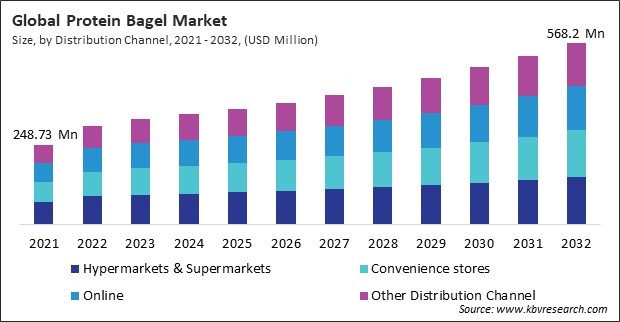
The Global Protein Bagel Market size is expected to reach $568.2 million by 2032, rising at a market growth of 6.7% CAGR during the forecast period.
Online platforms are quickly becoming a popular way to sell protein bagels because more people want them delivered to their homes or want to shop online. Online shopping lets people look at a wider range of niche and specialty brands, like gluten-free, vegan, or keto-friendly options that aren't usually found in physical stores. The online channel makes customers more engaged and loyal to a brand by offering things like subscription services, product reviews, and personalized recommendations. It works especially well for tech-savvy and health-conscious shoppers who like to have options and convenience. Thus, the online segment recorded 24% revenue share in the protein bagel market in 2024.
The protein bagel market had a lot of problems with its supply chain during the COVID-19 pandemic. Lockdowns and restrictions in major manufacturing and distribution hubs made it harder to get important ingredients like high-protein flour, whey protein, and other nutritional additives. Many suppliers couldn't keep up with demand or had to close for a short time, which left manufacturers with a lack of raw materials. These problems led to less production and fewer products being available on store shelves. So, the COVID-19 pandemic hurt the market.
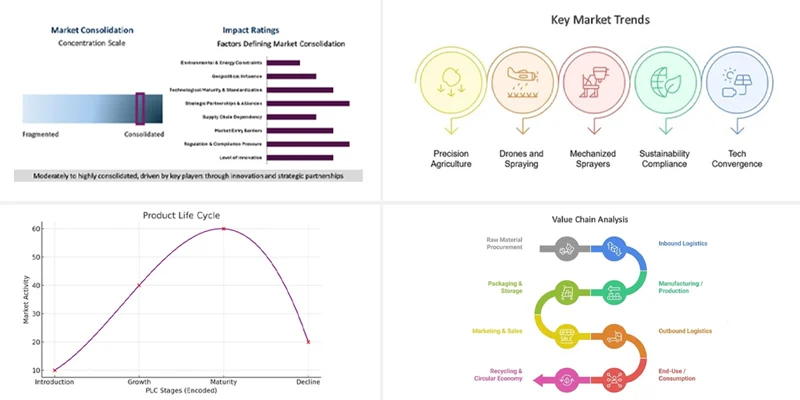

In the past ten years, people's tastes have changed a lot because they are more aware of health, fitness, and well-being. A growing number of individuals are actively looking for foods that not only fill them in but also help them reach their health and nutritional goals. Many people think that diets high in protein help with things like building muscle, feeling full, losing weight, and keeping blood sugar levels stable. In conclusion, health-conscious consumers are having a big impact on the spread and growth of protein bagels in different areas and among different groups of people. This is because they know more about nutrition and how it affects their long-term health.
The rapid spread of fitness culture and the mainstreaming of sports nutrition are also major factors driving growth in the protein bagel market. Protein-rich diets used to be only for athletes and bodybuilders, but now they are popular with a wider range of people. More people can now get to gyms, work out at home, and use fitness apps on their phones, which all encourage people to keep track of their macronutrients and protein intake. So, the growth of fitness culture and sports nutrition is a big part of why protein bagels are becoming more popular and available, making them a must-have for people who want to improve their performance.
One of the main problems with the protein bagel market, though, is that it costs a lot to make high-protein formulations. Protein bagels are different from regular bagels because they are made with high-quality protein-rich ingredients like whey protein isolate, pea protein, chickpea flour, egg whites, or soy protein instead of just refined wheat flour. These ingredients cost a lot more than regular flours, which makes the cost per unit higher for manufacturers. In conclusion, the high costs of making protein bagels and the fact that consumers are very price-sensitive are two big reasons why the market for these bagels isn't growing.
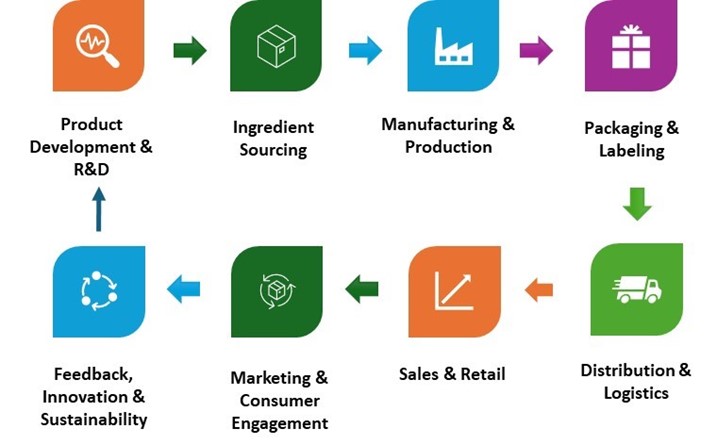
The value chain of the Protein Bagel Market starts with Product Development & R&D, where formulations are created to meet nutritional standards and taste preferences. Next, Ingredient Sourcing ensures high-quality proteins and other components are procured. This is followed by Manufacturing & Production, where ingredients are processed into finished bagels. Afterward, Packaging & Labeling is done to ensure freshness and regulatory compliance. Distribution & Logistics then manages the delivery to various sales points. Sales & Retail handles consumer-facing transactions, supported by Marketing & Consumer Engagement strategies. Post-sale, Feedback, Innovation & Sustainability drives improvements, looping insights back into Product Development & R&D.
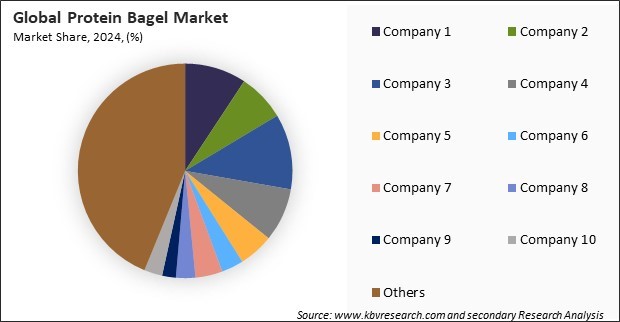
The leading players in the market are competing with diverse innovative offerings to remain competitive in the market. The above illustration shows the percentage of revenue shared by some of the leading companies in the market. The leading players of the market are adopting various strategies in order to cater demand coming from the different industries. The key developmental strategies in the market are Acquisitions, and Partnerships & Collaborations.
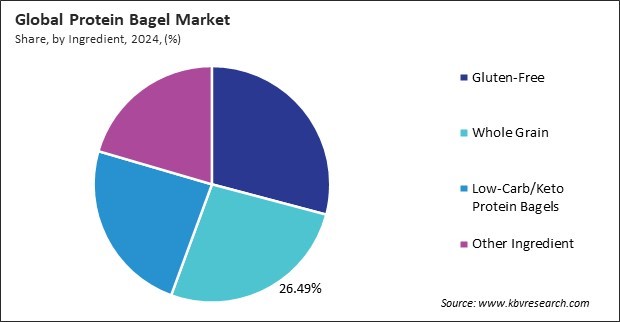
Based on ingredient, the protein bagel market is characterized into gluten-free, whole grain, low-carb/keto protein bagels, and others. The gluten-free segment garnered a share of revenue of 29% in the protein bagel market in 2024. People who are sensitive to gluten or who choose to avoid it for health or lifestyle reasons can eat gluten-free protein bagels. These bagels use almond flour, chickpea flour, or tapioca starch instead of wheat flour, and they also have protein sources like eggs, whey, or plant-based isolates. They are a good choice for a lot of health-conscious people because they are high in protein and easy to digest.
On the basis of distribution channel, the protein bagel market is classified into hypermarkets & supermarkets, convenience stores, online, and others. The convenience stores segment recorded 25% revenue share in the protein bagel market in 2024. Convenience stores are a popular channel for on-the-go consumption and last-minute purchases of protein bagels. Their accessibility and extended hours make them a go-to option for busy consumers looking for quick meals or snack solutions. Though the range of offerings may be narrower than in supermarkets, convenience stores often stock ready-to-eat or single-serve formats of protein bagels that cater to impulse buys and health-conscious commuters. This channel plays a significant role in expanding the market reach to urban and mobile demographics.
| Category | Details |
|---|---|
| Use Case Title | Confidential |
| Date | 2025 |
| Entities Involved | Confidential |
| Objective | Ensure on-shelf availability of protein bagels in urban convenience stores through AI-driven just-in-time (JIT) restocking. |
| Context and Background | Convenience stores operate on limited shelf and backroom space. High-protein snacks like bagels face constant risk of stockouts or expiry due to fast inventory turnover and tight delivery windows. |
| Description | 7-Eleven Japan, in partnership with Panasonic Logiscool, launched an AI-powered replenishment system tailored for perishable protein baked goods. Lenny & Larry’s integrated their SKU inventory and sell-through rates into the platform, which used weather, traffic, and local event data to predict optimal delivery volumes. Deliveries were then coordinated using micro-fulfillment centers within city limits. Smart shelving also notified staff when humidity or temperature thresholds could compromise freshness. This responsive system ensured consistent availability of protein bagels even in densely packed store layouts. |
| Key Capabilities Deployed |
|
| Regions Covered |
|
| Benefits |
|
| Source | Confidential |
By flavor, the protein bagel market is divided into plain, chocolate, blueberry, cinnamon, and others. The plain segment witnessed 33% revenue share in the protein bagel market in 2024. Plain protein bagels are the most popular flavor, which shows how popular and versatile they are. These are popular with people who like a neutral taste or want to add their own spreads, toppings, or sandwich fillings to their bagels. Plain bagels are a good choice for meals every day because they are simple and taste good with both sweet and savory foods. People of all ages and dietary preferences like them, which is a big reason why they are so well-known in the market.
Free Valuable Insights: Global Protein Bagel Market size to reach USD 568.2 Million by 2032
Region-wise, the protein bagel market is analyzed across North America, Europe, Asia Pacific, and LAMEA. The Europe segment recorded 35% revenue share in the protein bagel market in 2024. Europe leads the protein bagel market, driven by rising health awareness, a growing fitness culture, and strong demand for functional bakery products. Consumers in countries like Germany, the UK, and France are increasingly incorporating high-protein, low-carb foods into their diets, supporting the popularity of protein-enriched baked goods.
| Report Attribute | Details |
|---|---|
| Market size value in 2024 | USD 344.5 Million |
| Market size forecast in 2032 | USD 568.2 Million |
| Base Year | 2024 |
| Historical Period | 2021 to 2023 |
| Forecast Period | 2025 to 2032 |
| Revenue Growth Rate | CAGR of 6.7% from 2025 to 2032 |
| Number of Pages | 327 |
| Number of Tables | 404 |
| Report coverage | Market Trends, Revenue Estimation and Forecast, Segmentation Analysis, Regional and Country Breakdown, Market Share Analysis, Porter’s 5 Forces Analysis, Company Profiling, Companies Strategic Developments, SWOT Analysis, Winning Imperatives |
| Segments covered | Ingredient, Distribution Channel, Flavor, Region |
| Country scope |
|
| Companies Included | Panera Bread Company, Western Bagel Baking Corp., Thomas' Bagels (Bimbo Bakeries USA, Inc.), Flowers Foods, Inc., O'Doughs, Unbun Foods, The Better Brand, Inc., H&H Bagels Franchising, LLC, New York Bagel Company Ltd. and The Great American Bagel Bakery, Inc. |
By Ingredient
By Distribution Channel
By Flavor
By Geography
This Market size is expected to reach $568.2 million by 2032.
Rising Health and Wellness Consciousness Among Consumers are driving the Market in coming years, however, High Production Costs and Price Sensitivity restraints the growth of the Market.
Panera Bread Company, Western Bagel Baking Corp., Thomas' Bagels (Bimbo Bakeries USA, Inc.), Flowers Foods, Inc., O'Doughs, Unbun Foods, The Better Brand, Inc., H&H Bagels Franchising, LLC, New York Bagel Company Ltd. and The Great American Bagel Bakery, Inc.
The expected CAGR of this Market is 6.7% from 2023 to 2032.
The Hypermarkets & Supermarkets segment is leading the Market by Distribution Channel in 2024; thereby, achieving a market value of $147.7 million by 2032.
The Europe region dominated the Market by Region in 2024, and would continue to be a dominant market till 2032; thereby, achieving a market value of $191.7 million by 2032.
Our team of dedicated experts can provide you with attractive expansion opportunities for your business.







 Unique Offerings