“Global Digital Lending Platform Market to reach a market value of USD 6.10 Billion by 2032 growing at a CAGR of 4.3%”
The Global Digital Lending Platform Market size is estimated at $12.63 billion in 2025 and is expected to reach $69.10 billion by 2032, rising at a market growth of 27.5% CAGR during the forecast period (2025-2032). The projected growth of the Market is driven by rapid fintech adoption, rising demand for faster and contactless credit, and expansion of AI-based underwriting. Increasing smartphone usage, open banking initiatives, and financial inclusion efforts across emerging and developed markets further accelerate platform adoption, supporting strong CAGR and long-term market expansion.
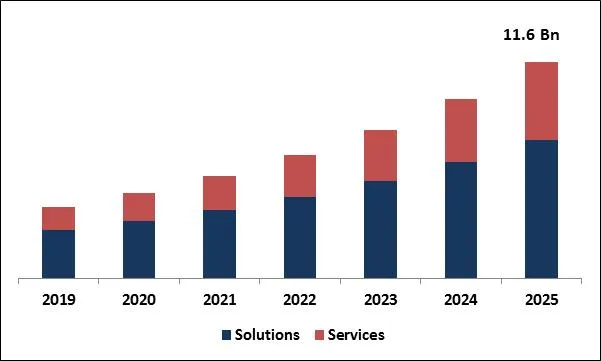
The Global Digital Lending Platform Market has moved far beyond traditional, paper-heavy lending models to become a central part of today’s financial services landscape. Improvements in internet access, cloud technology, and automation have helped lenders simplify loan origination, credit evaluation, and disbursement, while reaching borrowers across wider geographies. Support from governments and regulators has further accelerated adoption, especially as digital lending plays a key role in improving financial inclusion for SMEs and underserved groups. Over time, these platforms have evolved into comprehensive digital ecosystems, using big data, artificial intelligence, and real-time information to make lending faster, more accurate, and more transparent, with mobile-first access significantly expanding their accessibility.
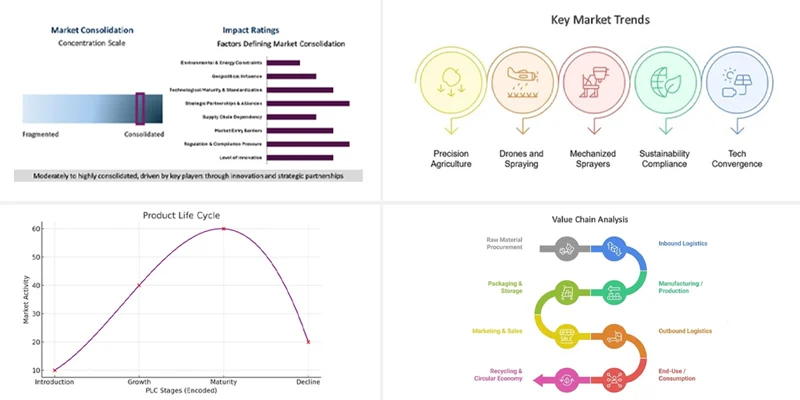
Key market trends include the growing use of AI and machine learning for credit scoring, fraud detection, and personalized lending, along with advanced identity verification methods such as biometric authentication and electronic KYC to enhance security and compliance. Platforms are increasingly focused on customer-centric digital experiences, offering intuitive interfaces, tailored loan products, and flexible repayment options across channels. Competitive dynamics are driven by collaboration and rivalry between traditional financial institutions and fintech companies, with partnerships, technology investments, and geographic expansion shaping growth strategies. Overall, the market continues to be defined by innovation, regulatory alignment, and a strong focus on delivering efficient, secure, and accessible digital lending solutions.

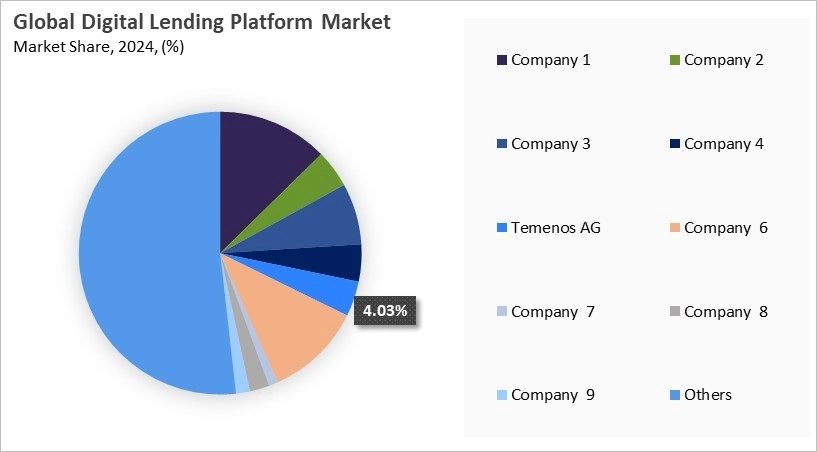
The leading players in the market are competing with diverse innovative offerings to remain competitive in the market. The above illustration shows the percentage of revenue shared by some of the leading companies in the market. The leading players of the market are adopting various strategies in order to cater demand coming from the different industries. The key developmental strategies in the market are Acquisitions, and Partnerships & Collaborations.
The COVID-19 pandemic positively influenced the Global Digital Lending Platform Market by accelerating growth and adoption across financial sectors. Lockdowns and social distancing made traditional lending impractical, increasing reliance on digital channels. Digital lending platforms ensured operational continuity and supported uninterrupted loan processing. They also helped maintain credit flow, especially for underserved and informal sectors, promoting financial inclusion. The crisis boosted the use of AI, machine learning, and blockchain for better risk assessment and fraud detection. Rising dependence on mobile and online services increased user engagement. As a result, platforms focused on innovation, personalization, and improved user experience. Thus, the COVID-19 pandemic had a positive impact on the market.
Based on deployment, the digital lending platform market is segmented into on-premise and cloud. The cloud segment acquired 36% revenue share in the market in 2024. The cloud deployment segment in the digital lending platform market consists of solutions hosted on remote servers and delivered through internet-based environments. Cloud-based platforms are designed to support flexibility, scalability, and rapid deployment, enabling lenders to adapt quickly to changing customer demands and evolving market conditions.
Based on component, the digital lending platform market is segmented into solutions and services. The services segment acquired 27% revenue share in the market in 2024. The services component of the digital lending platform market includes professional and managed services that support the deployment, operation, and optimization of lending solutions. These services help institutions maximize the value of digital platforms by ensuring proper implementation, system stability, and ongoing improvement.
Free Valuable Insights: Digital Lending Platform Market Size to reach $6.10 by 2032
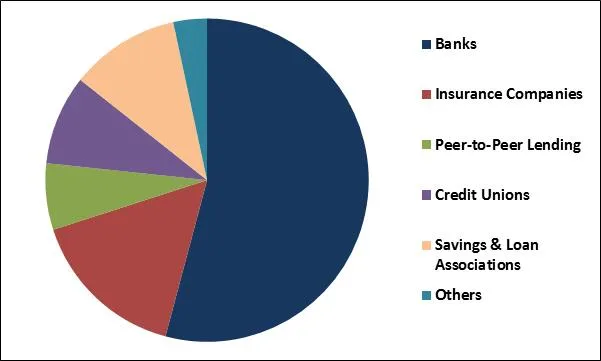
Region-wise, the digital lending platform market is analyzed across North America, Europe, Asia Pacific, and LAMEA. The North America segment recorded 36% revenue share in the market in 2024. North America and Europe are well-established markets for digital lending platforms, backed by strong financial systems, high levels of digital adoption, and clear regulatory frameworks. In North America, active fintech innovation and early use of AI-driven lending tools have helped lenders speed up loan processing and improve experiences for both consumers and businesses. Europe is close behind, showing steady growth supported by open banking initiatives, robust regulatory oversight, and growing collaboration between traditional banks and fintech firms to deliver secure and transparent digital lending solutions.
Asia Pacific and LAMEA are emerging as fast-growing regions, driven by rapid digital adoption, rising smartphone usage, and a large population seeking easier access to credit. Asia Pacific, led by markets such as China, India, and Southeast Asia, is seeing strong uptake of mobile-first and alternative lending platforms designed to serve a wide range of borrower needs. At the same time, LAMEA is gradually gaining traction as financial inclusion efforts, improving digital infrastructure, and expanding fintech ecosystems support the long-term growth of digital lending platforms in the region.
| Report Attribute | Details |
|---|---|
| Market size value in 2025 | USD 12.63 Billion |
| Market size forecast in 2032 | USD 6.10 Billion |
| Base Year | 2024 |
| Historical period | 2021 to 2023 |
| Forecast Period | 2025 to 2032 |
| Revenue Growth Rate | CAGR of 27.5% from 2025 to 2032 |
| Number of Pages | 627 |
| Tables | 593 |
| Report Coverage | Market Trends, Revenue Estimation and Forecast, Segmentation Analysis, Regional and Country Breakdown, Market Share Analysis, Porter’s 5 Forces Analysis, Company Profiling, Companies Strategic Developments, SWOT Analysis, Winning Imperatives |
| Segments Covered | Deployment, Component, End-User, Region |
| Country Scope |
|
| Companies Included | Fiserv, Inc., Pegasystems, Inc., ICE Mortgage Technology, Inc. (Intercontinental Exchange, Inc.), Newgen Software Technologies Limited, Temenos AG, Finastra Group Holdings Limited (Vista Equity Partners), Eravant, Inc., Wipro Limited and SAP SE |
By Deployment
By Component
By End-User
By Geography
Our team of dedicated experts can provide you with attractive expansion opportunities for your business.







 Unique Offerings