“Global Digital Health For Obesity Market to reach a market value of USD 293.71 Billion by 2032 growing at a CAGR of 23.3%”
The Global Digital Health For Obesity Market size is expected to reach USD 293.71 billion by 2032, rising at a market growth of 23.3% CAGR during the forecast period.
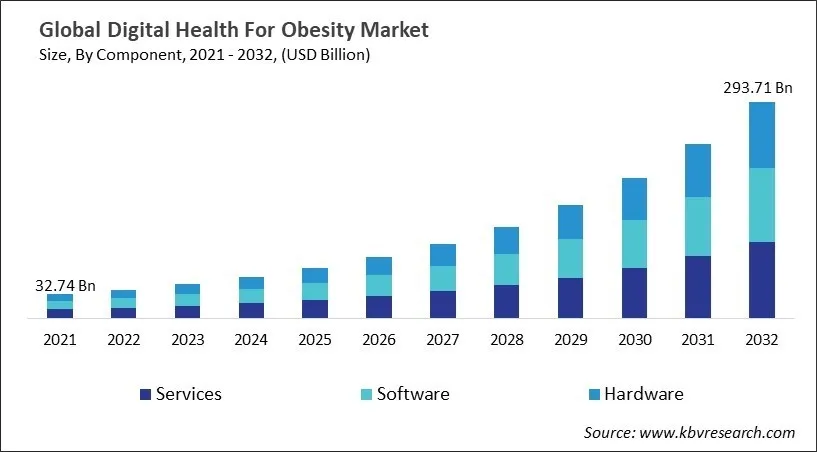
The digital health for obesity market is changing swiftly, it is driven by the rising health awareness, digital innovations, and public health imperatives. Market supports a bunch of platforms such as interoperable platforms, and early calorie-counting apps to AI-enabled. Notable advancements are adoption of AI and ML for predictive and tailored-care, state-backed digital healthcare such as Ayushman Bharat Digital Mission in India and collaboration between WHO and ITU’s AI-for-health initiatives. The combination telemedicine, wearable data, behavioural science, and pharmacotherapy has increased innovative tools from supplemental tools to core elements of chronic disease management.
Main trends reshaping the market encompass emergence of AI-powered virtual coaching for real-time, mix of digital platforms with GLP-1-based pharmacological treatment. Also, the rising obesity rates worldwide is a big concern. According to World Obesity, more than one billion people in the world are now living with obesity, nearly 880 million adults and 159 million children and adolescents aged 5-19 years. As a result, this obesity epidemic underscores an urgent supply of the reliable, innovative and scalable digital health solutions for obesity. Market strategies adopted by the key companies are rising focus on developing unified digital platforms, working with pharmaceutical companies, expanding through calculated acquisitions, and coordinating projects with the goals of public health.
The major strategies followed by the market participants are Product Launches as the key developmental strategy to keep pace with the changing demands of end users. For instance, In January, 2025, Tempus AI, Inc. unveiled new generative AI tools aimed at improving clinical care and research. These AI solutions assist healthcare providers with faster data analysis and personalized insights. Such tools could also enhance obesity management by enabling more precise care recommendations through digital health platforms. In October, 2024, Noom, Inc. unveiled two enterprise solutions to help employers manage and reduce GLP-1 medication expenses. These offerings combine digital health coaching, education, and medication oversight to deliver cost-effective obesity management strategies, enhancing support for employees using GLP-1 drugs as part of their weight loss journey.
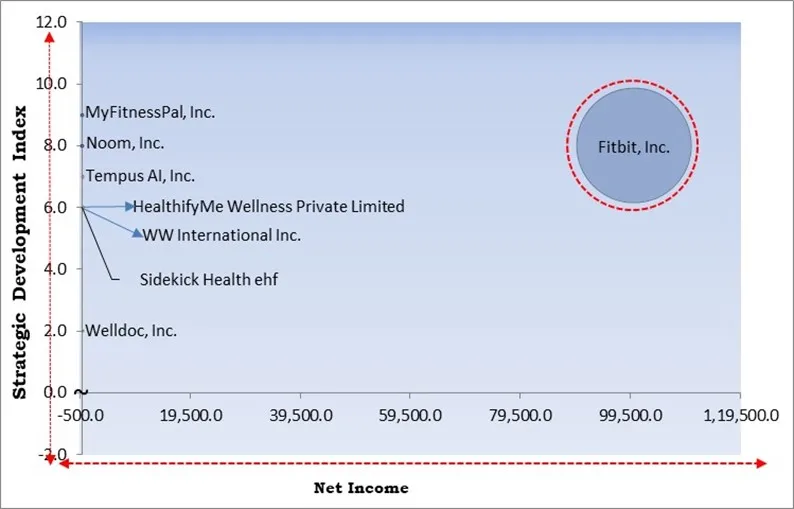
Based on the Analysis presented in the KBV Cardinal matrix; Fitbit, Inc. is the forerunner in the Digital Health For Obesity Market. In September, 2022, Fitbit, Inc. unveiled a data-driven Remote Patient Monitoring (RPM) solution, enabling healthcare providers to track patients’ health metrics remotely. This RPM platform plays a vital role in obesity management by continuously monitoring weight, activity, and other health indicators for timely interventions. Companies such as MyFitnessPal, Inc., Noom, Inc., and Tempus AI, Inc. are some of the key innovators in Digital Health For Obesity Market.
The COVID-19 pandemic put a lot of stress on healthcare systems around the world, which sped up the use of digital health technologies. Digital health platforms became an important way for people with obesity, who were more likely to have serious COVID-19 problems, to get medical help. Telemedicine, mobile health (mHealth) apps, and virtual consultations became popular, giving patients access to nutritionists, fitness experts, and behavioral therapists from the comfort of their own homes.
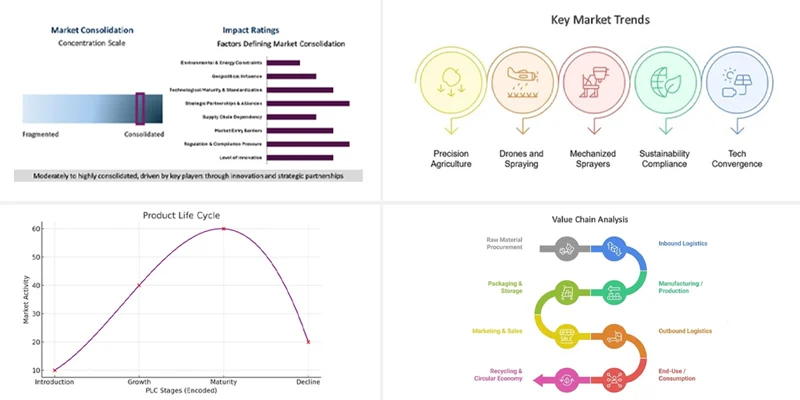

Free Valuable Insights: Global Digital Health For Obesity Market size to reach USD 293.71 Billion by 2032
Based on Component, the market is segmented into Services, Software, and Hardware.
The software segment procured 34% revenue share in the digital health for obesity market in 2024. The software part includes mobile apps, AI-powered platforms, and integrated systems that help people keep track of their health metrics, diet, exercise, and medication adherence. This part is very important for making automated, data-driven insights possible and encouraging people to monitor and change their behavior.
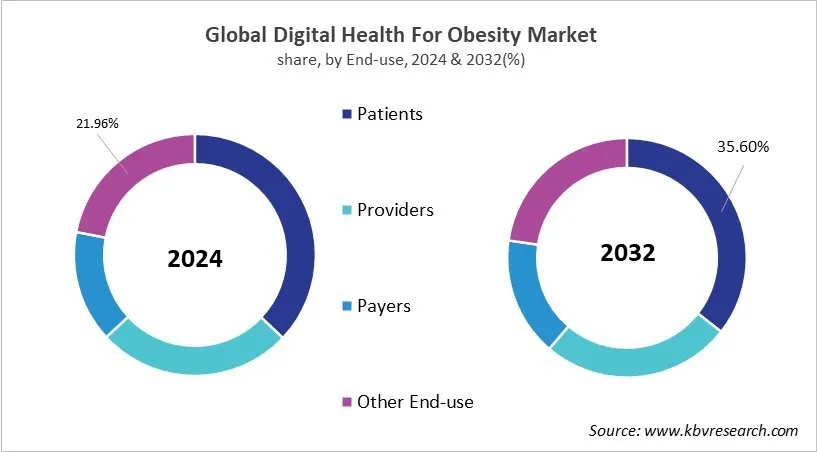
Based on End-use, the market is segmented into Patients, Providers, Payers, and Other End-use.
The providers segment recorded 26% revenue share in the digital health for obesity market in 2024. Healthcare professionals, clinics, and hospitals that use digital tools to diagnose, monitor, and treat obesity in patients are all part of the providers segment. These tools let you make decisions based on data, keep an eye on things from a distance, and provide care in a way that works together.
Region-wise, the market is segmented into North America, Europe, Asia Pacific and LAMEA.
The North America segment recorded 37% revenue share in the digital health for obesity market in 2024.
The digital health for obesity market in North America and Europe is on the substantially growth track because of advanced healthcare systems, early use of digital health tools and more people knowing about the health risks that come with being overweight. Strong reimbursement policies and the use of AI-driven obesity management platforms are speeding up market growth in North America, especially in the U.S. Digital therapeutics are becoming more popular in Europe, especially in Germany, the UK, and France. This is because of supportive laws and national health programs that focus on managing chronic diseases.
On the other hand, the Asia-Pacific region is becoming the fastest-growing market. This is because more people are getting smartphones, more people are making more money, and more people are becoming obese in cities. China, India, and Japan are all putting money into mobile health technologies and remote patient monitoring systems that are made for diseases that are linked to lifestyle. LAMEA are also slowly adopting it, due to better digital infrastructure and government-led awareness programs. However, there are still problems, such as limited access to advanced technology and different regulatory environments.
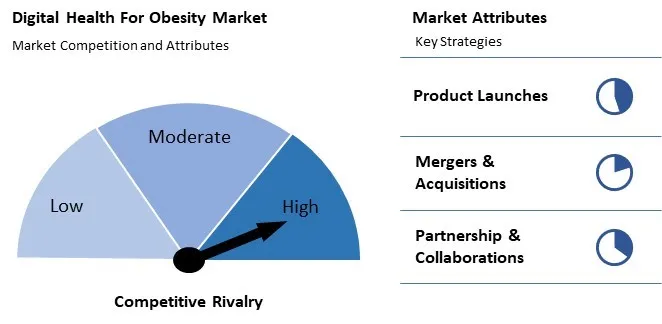
Emerging digital health providers are fiercely competing through niche innovation, such as AI‑driven metabolic profiling, telehealth delivery, wearable integration, and personalized behavioral programs. Startups and regional platforms focus on user engagement, interoperability, and tailored solutions to stand out in a rapidly evolving, highly fragmented market driven by technology and clinical validation.
| Report Attribute | Details |
|---|---|
| Market size value in 2024 | USD 55.76 Billion |
| Market size forecast in 2032 | USD 293.71 Billion |
| Base Year | 2024 |
| Historical Period | 2021 to 2023 |
| Forecast Period | 2025 to 2032 |
| Revenue Growth Rate | CAGR of 23.3% from 2025 to 2032 |
| Number of Pages | 358 |
| Number of Tables | 279 |
| Report coverage | Market Trends, Revenue Estimation and Forecast, Segmentation Analysis, Regional and Country Breakdown, Competitive Landscape, Porter’s 5 Forces Analysis, Company Profiling, Companies Strategic Developments, SWOT Analysis, Winning Imperatives |
| Segments covered | Component, End-use, Region |
| Country scope |
|
| Companies Included | Noom, Inc., WW International Inc., MyFitnessPal, Inc., Teladoc Health, Inc., Fitbit, Inc. (Google LLC), HealthifyMe Wellness Private Limited, PlateJoy LLC, Tempus AI, Inc., Welldoc, Inc., and Sidekick Health ehf |
By Component
By End-use
By Geography
This Market size is expected to reach $293.71 billion by 2032.
Rising Penetration of Smartphones and Wearable Devices are driving the Market in coming years, however, Data Privacy and Security Concerns restraints the growth of the Market.
Noom, Inc., WW International Inc., MyFitnessPal, Inc., Teladoc Health, Inc., Fitbit, Inc. (Google LLC), HealthifyMe Wellness Private Limited, PlateJoy LLC, Tempus AI, Inc., Welldoc, Inc., and Sidekick Health ehf
The expected CAGR of this Market is 23.3% from 2023 to 2032.
The Services segment led the maximum revenue in Market by Component in 2024, thereby, achieving a market value of USD 103.82 billion by 2032.
The North America region dominated the Market by Region in 2024, thereby, achieving a market value of USD 104.37 billion by 2032.
Our team of dedicated experts can provide you with attractive expansion opportunities for your business.












 Unique Offerings