Asia Pacific Impact Investing Market Size, Share & Industry Analysis Report By Investment Style, By Asset Class (Equity, Fixed income, Multi-asset, and Alternatives), By Investor Type (Institutional Investors and Retail Investors), By Offerings (Equity Offerings, Bond Funds, ETFs/Index Fund, and Alternatives/Hedge Funds), By Country and Growth Forecast, 2025 - 2032
Report Id: KBV-28521Publication Date: July-2025Number of Pages: 166Report Format: PDF + Excel
Special Offering:
Industry Insights | Market Trends Highest number of Tables | 24/7 Analyst Support
The Asia Pacific Impact Investing Market would witness market growth of 8.3% CAGR during the forecast period (2025-2032).
The China market dominated the Asia Pacific Impact Investing Market by Country in 2024, and would continue to be a dominant market till 2032; thereby, achieving a market value of $64.1 Billion by 2032. The Japan market is registering a CAGR of 7.3% during (2025 - 2032). Additionally, The India market would showcase a CAGR of 9.7% during (2025 - 2032).
Today’s impact investing trends show a clear move toward more standard rules, clear reports, and better use of data. Groups like the Global Impact Investing Network (GIIN), Impact Management Project (IMP), and Sustainable Accounting Standards Board (SASB) are working hard to set up common rules, clear ways to measure results, and tools to compare progress. These steps are very important because they help cut down on confusion, which has been a big problem in this field. With more clear and shared rules, more investors feel safe and sure about where they put their money.
More choices for different investors: New types of funds and money tools help match what different investors want — from safe returns to higher risks for bigger rewards.
Easy ways for more people to join in: Things like donor-advised funds, impact VC funds, ETFs, and crowd funding make it easier for more people to put their money into good projects.
Special funds for special goals: Some funds focus on things people care about, like clean energy, health, or fair jobs, giving investors clear choices to do good and earn.
Smart money tools link profit to real change
Green and blue bonds help nature: Money from green bonds goes to clean projects, while blue bonds help protect oceans and water life. Investors get returns when nature does better.
Loans linked to doing good: Sustainability loans reward companies that meet social or green goals. This means profit is directly tied to doing good things.
Clear results build trust: These tools help investors see how their money is really helping, which makes them more likely to keep investing in projects that do good.
Country Outlook
Impact investing in China is growing fast, driven by the country’s focus on green growth and taking care of the environment. In the last few years, China’s money system has started to see how important it is to use money for social and green goals too. More focus on clean growth, fair chances, and good company behavior has made China a good place for impact investing to grow. Now, impact ideas are slowly but surely becoming part of regular money work, with more local and global investors interested in putting money into projects that help people and the planet.
Japan: Japan is taking steady steps to use money for good and fair growth
Japan’s impact investing is starting to grow and change
Slow but steady change in money culture: Japan has always been careful with money, mostly wanting to keep it safe. Now, people are seeing how money can also help solve social problems.
Big social issues need smart money use: Japan’s aging people, low birth rates, and unfair gaps between regions show why money needs to help build strong and fair communities.
New ideas shape old ways: Global changes and Japan’s own needs are slowly changing old money habits, bringing fresh ideas that mix profit and doing good.
Together, these changes show that Japan is ready to use money in new ways to help people and build a fairer future.
Japan’s money system aims for fair and strong growth
Money that helps people and places: More investors want their money to help make towns stronger and fairer, not just bring profit.
Joining the world’s impact trends: Japan is watching how other countries use impact investing and is trying similar ideas that fit its own people and needs.
Small steps, big hope: Even if the change is slow, each step shows Japan’s will to use money for a better and fairer future for everyone.
These steps show that even small moves can help Japan build a kinder and stronger future with smart use of money.
India: India is using smart investing to solve big problems and help people grow
India’s big needs make space for impact investing
Lots of people and big gaps: India has a huge number of people and many still don’t have good healthcare, schools, or jobs. This makes it the right place for money that can help people while giving profit.
Money and social good come together: Investors want to put money into projects that fix real problems and also bring back returns. This mix helps people and builds the economy too.
Perfect place for new ideas: India’s young business scene is full of fresh ideas and energy to fix problems in smart ways. This brings new hope to millions.
All this shows India is ready to grow its impact investing and help many people live better lives.
Social businesses and caring investors drive India’s change
Social enterprises are changing lives: Many new social businesses are working to give people better healthcare, clean energy, good schools, and help in far-off villages.
Investors with a mission make it possible: These good ideas get help from investors who care about more than just profit — they want to see real change too.
Smart models reach more people: With new ways to grow, these businesses can help more people who really need support and give them fair chances.
Together, these steps show how social businesses and caring investors make India’s impact investing strong and full of promise.
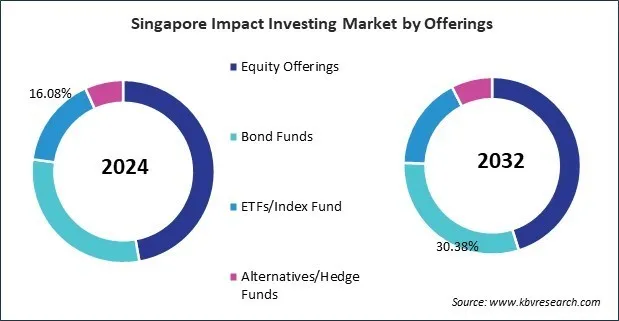
Based on Investment Style, the market is segmented into Active and Passive. Based on Asset Class, the market is segmented into Equity, Fixed income, Multi-asset, and Alternatives. Based on Investor Type, the market is segmented into Institutional Investors and Retail Investors. Based on Offerings, the market is segmented into Equity Offerings, Bond Funds, ETFs/Index Fund, and Alternatives/Hedge Funds. Based on countries, the market is segmented into China, Japan, India, South Korea, Singapore, Malaysia, and Rest of Asia Pacific.
Asia Pacific Impact Investing Market - Get online access to the report





 Unique Offerings